
This blog post explores the significance of repentance and the timing of divine requests as illustrated in the Quran, particularly through the stories of Prophet Solomon and the verses from Surah Noah. It emphasizes that the moments of returning to God are the most opportune times to seek His blessings and miracles.
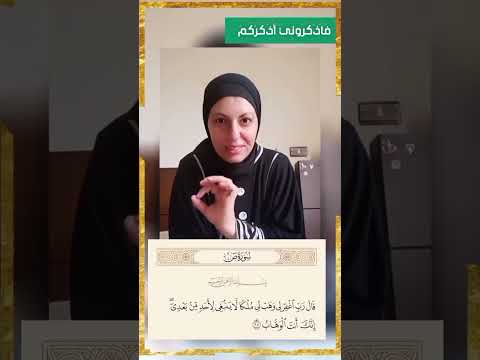
In the name of Allah, the Most Gracious, the Most Merciful. The verse from Surah Sad (38:35) states: "My Lord, forgive me and grant me a kingdom such as will not belong to anyone after me. Indeed, You are the Bestower." This verse highlights a profound moment in the life of Prophet Solomon, illustrating the relationship between repentance and the timing of divine requests.
Prophets are known to be infallible in delivering the message of God. However, as human beings, they may experience moments of forgetfulness or oversight. The beauty of their character lies in their ability to quickly recognize their mistakes, return to God, and seek forgiveness. This is a reminder that even the most righteous among us can falter, but what matters is the swift return to God and the act of repentance.
When reflecting on the verse, it is intriguing to note that despite Prophet Solomon's moment of oversight, he immediately sought forgiveness from God. He then made a significant request for a kingdom that would not belong to anyone after him. This raises an important question: Is it appropriate to ask for something monumental from God right after recognizing a mistake?
The answer is yes. The moment of repentance is indeed the most suitable time to ask for God's blessings. When one turns back to God and seeks forgiveness, it is a moment filled with sincerity and humility, making it the perfect opportunity to request divine assistance. Solomon's request for a kingdom came at a time of repentance, demonstrating that there is no better time to ask for miracles than when one is in a state of returning to God.
Following Solomon's request, the very next verse states: "So We subjected to him the wind blowing by his command, gently wherever he directed it, and the devils, every builder and diver, and others bound together in chains." This illustrates that God's response to sincere requests made during moments of repentance can be extraordinary. God’s generosity knows no bounds, and He grants blessings without measure.
To further understand this concept, we can look at Surah Noah (71:10-13), where Noah advises his people to seek forgiveness from God. He states that by doing so, God will send rain abundantly, provide wealth, children, and gardens with rivers. This reinforces the idea that seeking forgiveness opens the doors to divine blessings.
Noah's message also emphasizes the importance of recognizing God's greatness and having reverence for Him. The verse questions why people do not honor God as they should, highlighting the need for believers to acknowledge His power and majesty.
The key takeaway from these reflections is that moments of repentance are powerful. They are times when one can ask for the seemingly impossible, as nothing is beyond God's capability. The Quran teaches that God can make things happen with a mere command: "Be, and it is."
As you read these verses, it is essential to feel the weight of their meaning. Recognize that God is capable of granting what seems impossible. If this message resonates with you, consider sharing it with others, as encouraged by the Quran: "So remember Me; I will remember you. And be grateful to Me and do not deny Me."
In conclusion, the moments of returning to God and seeking forgiveness are not just about acknowledging our mistakes but also about seizing the opportunity to ask for His blessings. The stories of Prophet Solomon and the teachings from Surah Noah remind us that God’s mercy is vast, and the time of repentance is the most opportune moment to seek His grace. May we all remember to turn to God in our times of need and recognize the power of sincere repentance.



















