
Understanding the Process for Selecting a New Pope
The selection of a new Pope involves a conclave of cardinal electors who operate in isolation to choose a candidate that reflects the diverse views within the Church. The process is steeped in tradition and requires a candidate to gain a two-thirds majority vote.
The selection of a new Pope is a significant event in the Catholic Church, steeped in tradition and surrounded by speculation. As the world anticipates the next leader of the Catholic faith, it is essential to understand the process and the factors that influence the selection.
Speculation on Potential Candidates
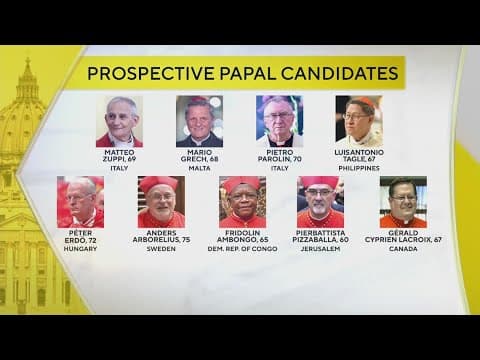
Currently, there is much speculation regarding who the next Pope will be. While the outcome is unpredictable, several cardinals are considered potential contenders. These candidates come from various continents, reflecting the diverse college of cardinals appointed by Pope Francis. This diversity is crucial as it represents the global nature of the Catholic Church.
However, it is important to note that some of these cardinals hold views that differ significantly from those of Pope Francis, particularly on issues such as LGBTQ rights, women's roles in the Church, divorce, interfaith relations, and foreign affairs. This divergence in perspectives adds complexity to the selection process.
The Need for a Unifying Figure
According to some Vatican insiders, the next Pope will likely need to be a moderate and a unifier to secure the necessary votes. Given the varied opinions within the college of cardinals, a candidate who can bridge these differences may be essential for the Church's future direction.
The Conclave Process
Once Pope Francis's funeral takes place, the cardinal electors will convene in the Sistine Chapel to begin the conclave, the formal process of selecting the new Pope. This gathering is characterized by strict isolation; the cardinals will have no access to television, phones, or any means of communication with the outside world. This isolation is designed to ensure that the electors can focus solely on the task at hand without external influences.
During the conclave, the cardinals will vote multiple times each day until one candidate receives a two-thirds majority of the votes. This requirement for a supermajority underscores the importance of consensus within the Church's leadership.
Conclusion
The process of selecting a new Pope is a blend of tradition, speculation, and the need for unity within the Catholic Church. As the world watches, the conclave will play a pivotal role in determining the future direction of the Church, reflecting both its diverse membership and the challenges it faces in a changing world. The upcoming funeral of Pope Francis marks the beginning of this significant journey toward selecting a new leader.



















