
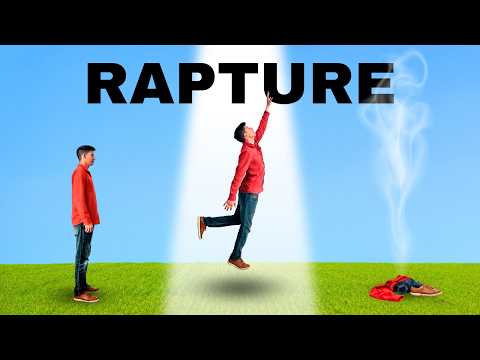
This blog post explores the concept of the Rapture as described in the Bible, detailing the seven key events leading up to it, the implications of such an event on the world, and the three main views regarding its timing: post-tribulationism, pre-tribulationism, and mid-tribulationism. It emphasizes the importance of being spiritually prepared for the Rapture, regardless of one's beliefs about its timing.
The concept of the Rapture is a significant topic within Christian eschatology, primarily derived from the Bible, particularly the book of First Thessalonians. This post will delve into the seven key events that constitute the Rapture, the potential implications for the world, and the various perspectives on when it might occur.
The Rapture is described through a series of events that unfold in rapid succession. Here’s a brief overview of these events:
The Descent of Jesus: The first event is the return of Jesus Christ from heaven. This moment is marked by His appearance in the sky, recognized by believers.
The Shout of Jesus: Following His descent, Jesus will issue a command, described as a shout. This command is significant, as it is akin to a military order, calling all Christians to Him.
The Voice of the Archangel: Accompanying Jesus is the archangel Michael, who echoes the command given by Jesus, further emphasizing the urgency of the moment.
The Trumpet of God: A trumpet will sound, signaling the commencement of the Rapture.
Resurrection of the Dead: One of the most astonishing events is the resurrection of the bodies of deceased believers, who will rise from their graves and ascend into the clouds.
The Rapture of the Living: Those Christians who are still alive at the time will be caught up into the clouds to meet the Lord.
The Gathering in Heaven: Finally, both the resurrected and living believers will be taken to heaven, marking the completion of the Rapture.
These events collectively form what is referred to as the Rapture, a moment of profound significance for Christians.
The Rapture raises intriguing questions about the state of the world following such an event. If millions of Christians were to suddenly vanish, the consequences would be catastrophic. Consider the following scenarios:
This chaos could create a vacuum for a world leader who promises stability and peace, potentially paving the way for the rise of the Antichrist.
The timing of the Rapture is a subject of debate among theologians and believers, leading to three primary perspectives:
This view posits that Christians will endure the entire seven-year period of tribulation before being raptured. Proponents cite biblical passages that suggest Christians will face tribulation in this world, arguing that the church will be present during the judgments of God.
In contrast, pre-tribulationists believe that Christians will be taken up before the tribulation begins. They argue that the tribulation represents God’s wrath on a sinful world, and since Jesus died to save believers from this wrath, they will not experience it.
Mid-tribulationists hold a position that is somewhat of a compromise. They agree that Christians will be spared from God’s wrath but believe that the Rapture will occur midway through the tribulation, just before the most severe judgments are unleashed.
The author of this post aligns with the pre-tribulation view, citing the urgency and immediacy expressed in First Thessalonians. The language used by the Apostle Paul suggests that the Rapture could happen at any moment, which contradicts the post- and mid-tribulation views that require the tribulation to occur first.
Regardless of which view one subscribes to, the essential takeaway is the importance of being spiritually prepared for the Rapture. The exact timing may be uncertain, but the call to live a life ready to meet Jesus is clear. Believers are encouraged to reflect on their lives and ensure they are living in accordance with their faith, as the day of the Rapture could arrive unexpectedly.
In summary, the Rapture is a profound event with significant implications for believers and the world at large. Understanding its events and timing can help Christians navigate their faith in these uncertain times.



















