
This blog post explores the systems approach to corporate environmental management, focusing on ISO 14001 standards, the importance of environmental policies, planning, implementation, and continuous improvement in reducing environmental impact across industries.
In recent discussions about environmental issues, we have seen how damage to the environment can lead to severe consequences such as heavy rainfall and global warming. To address these challenges, a systems approach to corporate environmental management is essential. This article delves into the ISO 14001 standards and outlines the steps industries can take to improve their environmental impact.
ISO 14001 is an international standard that provides a framework for organizations to manage their environmental responsibilities effectively. It is the first revision of the ISO standards, developed by the International Organization for Standardization (ISO). The standard emphasizes the need for industries, which typically have a more significant impact on the environment than consumers, to adopt sustainable practices throughout their operations.
The ISO 14001 standard outlines five critical steps for achieving environmentally friendly production:
Environmental Policy
Organizations must establish a clear environmental policy that prohibits the use of hazardous materials and encourages the use of biodegradable raw materials. This policy should prioritize organic materials that are easier to decompose.
Planning
Effective planning involves identifying risks and opportunities related to environmental management. Companies should set environmental objectives and develop programs to achieve these goals.
Implementation and Operation
This step focuses on executing the environmental policy and ensuring that all employees understand their roles in achieving the company's environmental objectives.
Checking and Monitoring
Organizations must regularly check their processes to ensure compliance with environmental policies. This includes monitoring waste management and recycling efforts.
Management Review and Continuous Improvement
Companies should conduct regular reviews of their environmental management systems to identify areas for improvement and ensure that they are meeting their environmental goals.
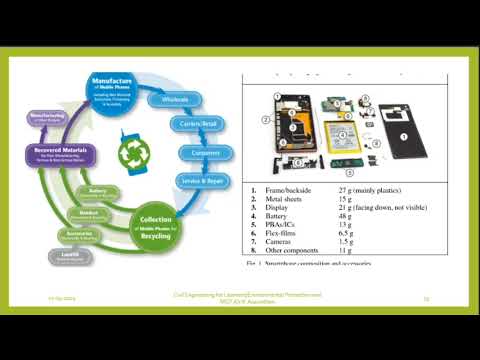
To illustrate the application of these principles, let’s consider the mobile phone industry. The production of mobile phones involves several stages, each with its environmental impact:
An Environmental Management System (EMS) is crucial for implementing ISO 14001 standards. It helps organizations manage their environmental responsibilities systematically. Key elements of an EMS include:
While ISO 14001 is widely recognized, different countries have their standards for environmental management. For instance, the United States has the Eco Management and Audit Scheme (EMAS), while India follows the Bureau of Indian Standards (BIS). These standards aim to promote environmental awareness and responsible practices within their respective regions.
The systems approach to corporate environmental management is vital for reducing the environmental impact of industries. By adhering to ISO 14001 standards and implementing effective environmental policies, companies can contribute to a more sustainable future. Continuous improvement and commitment to environmental management will not only benefit the planet but also enhance the reputation and efficiency of businesses in the long run.



















