
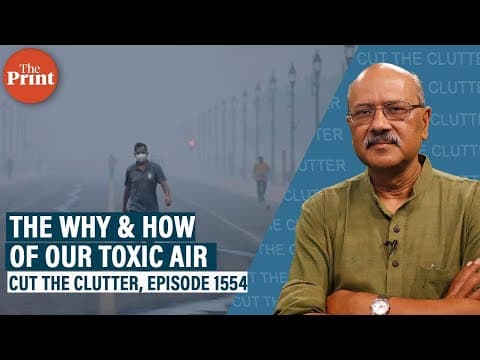
This blog post explores the severe air quality crisis in North India, particularly Delhi, examining the various contributing factors, common misconceptions, and potential solutions to combat air pollution throughout the year.
As winter approaches in North India, many residents experience worsening respiratory issues due to the toxic air quality. This phenomenon is particularly evident in densely populated areas like Delhi, where the air becomes increasingly polluted, leading to health crises among vulnerable populations, including children and the elderly. This blog post delves into the complexities of air pollution in North India, addressing common misconceptions and exploring potential solutions.
Every year, as temperatures drop, the air quality in North India deteriorates significantly. Residents often find themselves reaching for inhalers and experiencing respiratory problems. The situation is exacerbated by a lack of wind during winter months, which traps pollutants close to the ground. This stagnation of air allows harmful particles to accumulate, leading to severe health implications.
One of the primary reasons for the persistent air quality issues is the meteorological conditions during winter. The absence of wind means that pollutants released from various sources remain suspended in the air, creating a toxic environment. While stubble burning and vehicular emissions contribute to the problem, the lack of breeze plays a crucial role in the severity of air pollution.
Despite the overwhelming evidence of air pollution's impact, several misconceptions persist regarding its causes. Here are six common strawman arguments that oversimplify the issue:
Stubble Burning: While stubble burning contributes to air pollution, it is not the sole cause. This practice typically affects air quality for only a few weeks each year, whereas pollution levels remain high throughout the year.
Diwali Celebrations: The fireworks during Diwali are often blamed for the spike in pollution levels. However, the impact of Diwali is short-lived, and air quality issues persist long after the festival.
Vehicular Emissions: Although vehicular traffic is a significant contributor to air pollution, it accounts for only 18-20% of the total pollution in Delhi. The increase in the number of vehicles has outpaced improvements in emissions standards.
Construction Dust: Construction activities contribute to air pollution, but banning construction would lead to economic hardships for daily wage workers without significantly improving air quality.
Waste Burning: Burning waste is a problem, but it only accounts for about 3-4% of the total pollution.
Industrial Emissions: Industries located in the National Capital Region also contribute to pollution, but the enforcement of regulations has been inconsistent, allowing pollution to seep back into Delhi.
It is crucial to understand that air pollution is not a seasonal issue confined to a few weeks in winter. Throughout the year, air quality in North India remains significantly below World Health Organization (WHO) standards. For instance, the average PM2.5 levels in Delhi often exceed 20 times the recommended limits. This chronic exposure to poor air quality has serious health implications, including increased rates of heart attacks and strokes.
When comparing air quality on a global scale, cities in North India consistently rank among the most polluted. According to WHO data, cities like Gaya and Allahabad have alarmingly high PM2.5 levels, often surpassing those of Delhi. This indicates that the air quality crisis is not limited to Delhi but affects a vast region of Northern India.
Addressing the air quality crisis requires a multifaceted approach that goes beyond temporary fixes. Here are some potential solutions:
The air quality crisis in North India, particularly in Delhi, is a complex issue influenced by various factors. Understanding the root causes and dispelling common misconceptions is crucial for developing effective solutions. As the air quality continues to deteriorate, it is imperative for individuals, communities, and governments to take collective action to combat this pressing public health issue. Only through sustained efforts can we hope to improve air quality and protect the health of millions.



















