
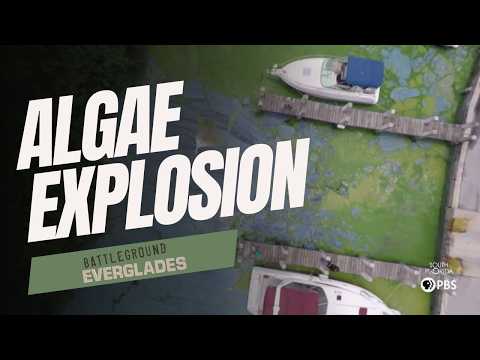
The toxic algae crisis in Florida's Everglades, primarily driven by nutrient pollution from agriculture and urban runoff, poses severe ecological and economic threats. This blog explores the origins of the crisis, its impacts on local communities and ecosystems, and potential solutions to restore the Everglades and prevent future outbreaks.
Florida's Everglades, a unique subtropical wetland, is facing a severe crisis due to toxic algae blooms that threaten both the environment and local economies. This blog post delves into the causes of these algae outbreaks, their impacts, and potential solutions to restore the Everglades.
The Florida Everglades is a vast subtropical wilderness that has supported a rich diversity of flora and fauna for thousands of years. This ecosystem, once sprawling over 11,000 square miles, has been drastically reduced due to human activity, leading to significant ecological changes. The heart of this ecosystem is Lake Okeechobee, a 730 square mile body of water that plays a crucial role in the health of the Everglades.
In July 2016, NASA's Landsat 8 satellite captured alarming images of a massive 33-mile wide algae bloom in Lake Okeechobee. This bloom was fueled by nutrient-rich runoff from summer storms that flooded the Kissimmee River Basin, carrying fertilizers into the lake. The stagnant, warm waters of the lake, combined with high nutrient levels, created the perfect conditions for harmful algae to thrive.
The algae blooms are primarily caused by:
The consequences of the algae blooms are dire, affecting both the environment and local communities:
In response to the crisis, Florida's government declared a state of emergency in four counties. Senator Negron proposed legislation to buy land for a storage reservoir south of Lake Okeechobee to manage excess water better and prevent it from being discharged into coastal areas.
The proposal sparked intense political debate between agricultural interests and environmentalists. Farmers feared that the legislation would threaten their livelihoods, while environmentalists argued for the necessity of restoring the Everglades. Ultimately, a compromise was reached to build a smaller reservoir on state-owned land, which was seen as a step forward but not a complete solution.
Experts agree that addressing the algae bloom crisis requires a multifaceted approach:
The toxic algae crisis in Florida's Everglades is a complex issue rooted in decades of environmental mismanagement and pollution. While significant challenges remain, the 2016 algae outbreak has galvanized public attention and political will towards restoring this vital ecosystem. By investing in sustainable practices and restoring natural water flows, Florida can work towards a healthier Everglades and a more sustainable future for its communities.



















