
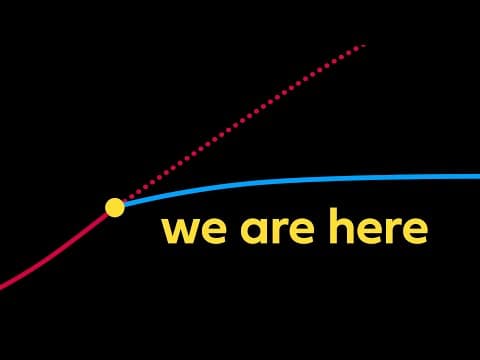
This blog post explores the critical role of methane emissions in climate change, highlighting their potency compared to CO2, the opportunities for reduction, and the challenges faced in implementing solutions. It discusses the importance of new technologies like Methane Sat, the need for stronger policies, and the potential for significant climate benefits through targeted actions in the energy sector and beyond.
Since the industrial revolution, the world has warmed by approximately 1.3° C, primarily due to carbon dioxide (CO2) emissions from burning fossil fuels. However, a significant portion of this warming—about one-third—can be attributed to methane, a potent greenhouse gas. This blog post delves into the implications of methane emissions, their sources, and the urgent need for action to mitigate their impact on climate change.
Methane (CH₄) consists of one carbon atom surrounded by four hydrogen atoms. While it is emitted naturally from wetlands, human activities now account for two-thirds of all methane emissions. These emissions arise from various sources, including:
In 2022, the world emitted an estimated 610 million tons of methane, which has a warming effect equivalent to approximately 50 billion tons of CO2 in the short term. Methane is nearly 80 times more effective than CO2 at trapping heat in the atmosphere over the first two decades after its release. This characteristic makes addressing methane emissions a critical opportunity for climate action.
Tackling methane emissions presents a unique opportunity to cool the planet significantly over a few decades, rather than centuries. By focusing on reducing methane, we can slow the rate of warming, allowing ecosystems and societies more time to adapt to the changes already in motion.
The energy sector offers the most immediate opportunities for reducing methane emissions. Methane is the primary component of natural gas, and many emissions result from leaks during extraction, processing, and transportation. Current technologies can potentially reduce up to 75% of methane emissions from the fossil fuel industry. Notably, about half of these reductions can be achieved at no net cost, as capturing and selling the gas offsets the costs of mitigation technologies.
Despite the clear benefits of reducing methane emissions, several challenges hinder progress:
The launch of Methane Sat, a satellite designed to monitor methane emissions, was a significant step forward in addressing these challenges. This satellite aimed to provide high-quality data on methane emissions from oil and gas production, enabling better accountability and targeted action. However, the loss of Methane Sat represents a setback in our ability to monitor and reduce emissions effectively.
As of now, methane emissions are at an all-time high, with concentrations in the atmosphere increasing rapidly. Despite pledges from over 150 nations to reduce methane emissions by 30% by 2030, progress has been disappointing, with emissions continuing to rise. Some countries, like Australia and Turkmenistan, have made strides in reducing emissions, but overall, the global situation remains dire.
In response to the growing methane crisis, policies are beginning to strengthen. The European Union has implemented regulations requiring oil and gas importers to monitor and report methane emissions, marking a significant legislative step. Other countries, including China and the United States, are also developing strategies to address methane emissions, although the effectiveness of these policies varies.
While the energy sector presents the most immediate opportunities for reducing methane emissions, other sectors, such as agriculture and waste management, also require attention. Implementing solutions across these sectors could lead to a reduction of global methane emissions by approximately 50%, potentially avoiding significant warming by 2050.
Individuals can contribute to reducing methane emissions by:
Methane emissions represent a critical challenge in the fight against climate change, but they also offer a unique opportunity for impactful action. By addressing methane emissions, we can slow the rate of global warming and provide more time for adaptation. The loss of Methane Sat is a setback, but the fight against methane emissions continues, and with the right policies and technologies, we can still make significant progress. The responsibility lies with both governments and individuals to hold industries accountable and push for meaningful change in the quest to mitigate climate change.



















