
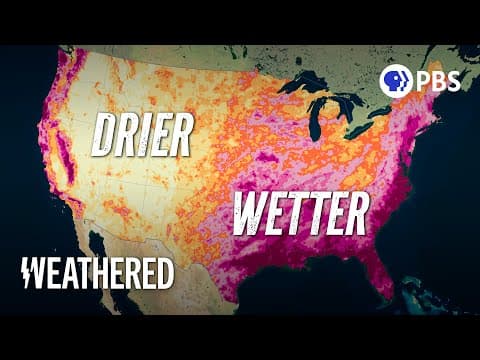
This blog post explores the severe water crisis exacerbated by climate change, focusing on California's Central Valley, the return of Tulare Lake, the groundwater depletion crisis, and innovative agricultural practices aimed at sustainability. It highlights the urgent need for water conservation and strategic management to adapt to increasing extremes in precipitation and drought.
As we soar over California's Central Valley, we gain a unique perspective on the profound effects of climate change on one of the most critical resources on our planet: water. This region, once home to America’s largest freshwater lake west of the Mississippi, has experienced dramatic shifts in its water landscape. The lake, which disappeared over a century ago, has reemerged, but not without significant implications for the environment and agriculture.
Tulare Lake, once a vital part of the Tachi-Yokut people's way of life, vanished in 1890 due to the diversion of its tributaries for irrigation. After a decade of extreme drought, the lake returned in 2023, fueled by a series of atmospheric rivers that brought unprecedented flooding. The indigenous people refer to it as "Pa'ashi," meaning "Big Water," a term that encapsulates its historical and cultural significance.
California has long been subject to significant climate swings, oscillating between drought and flood. However, climate change is intensifying these extremes, leading to what some scientists describe as a "water whiplash" effect. In a warming climate, the atmosphere's capacity to hold water vapor increases, resulting in heavier precipitation events and more severe droughts. This phenomenon poses a serious threat to food production and water availability.
While California may experience increased rainfall, the state is simultaneously facing a groundwater crisis. Groundwater, the invisible reservoir beneath our feet, has been a lifeline for agriculture and urban development. However, excessive pumping has led to significant depletion of aquifers, causing land subsidence and fissures in the earth's surface. In Arizona, for instance, land has sunk by as much as 18 inches due to groundwater over-extraction.
Agriculture is a major consumer of water, accounting for approximately 80% of water usage in the U.S. The sector is under immense pressure as farmers face dwindling water supplies. Many are resorting to drilling deeper wells, which can be prohibitively expensive and unsustainable in the long run. The situation is dire, with over half of the global population experiencing severe water shortages at least part of the year.
To combat these challenges, innovative agricultural practices are emerging. Precision farming technologies, such as digital twins and drones, allow farmers to apply fertilizers more efficiently, reducing greenhouse gas emissions and maximizing crop yields. By targeting specific areas that require more or less fertilizer, farmers can minimize waste and improve water conservation.
As climate change continues to reshape our environment, the need for effective water management strategies becomes increasingly urgent. Embracing floodwaters for groundwater recharge is one potential solution. By directing floodwaters to recharge basins, we can replenish aquifers more effectively. California is already implementing such strategies, utilizing advanced technology to identify optimal recharge locations.
The transition away from farming in water-scarce areas is becoming inevitable. Farmers like Nancy, who have deep roots in their communities, face tough decisions as they grapple with the realities of climate change. While some neighbors have sold their land to solar companies, others remain committed to agriculture, hoping for a sustainable future.
The water crisis is a complex issue that intertwines climate change, agriculture, and community livelihoods. As we navigate this new reality, it is crucial to adopt innovative practices and rethink our relationship with water. The future of agriculture and water management will depend on our ability to adapt and implement sustainable solutions that ensure both food security and environmental health.



















