This article explores the profound power of human thought, detailing how thoughts manifest as real entities called thought forms, which can collectively create egregores—group consciousnesses influencing individuals and societies. It delves into the ethical dimensions of magic, distinguishing white magic (selfless) from black magic (selfish), and highlights the importance of conscious awareness and responsibility in harnessing these unseen forces.
One of humanity's greatest yet often unconscious powers is the power of thought. While we may consider thoughts as private and harmless, they have significant hidden effects. Thoughts are not merely fleeting mental events; they are real entities with tenacity, coherence, and resistance to dissolution. This means that thoughts can persist and influence the world beyond our immediate awareness.
Theosophy teaches that thoughts are real entities that can become active intelligences. According to the Mahatma Letters, every fully developed thought passes into the inner world and becomes an active entity by coalescing with an elemental. The intensity of the original thought determines how long it survives.
Humans continuously populate their personal atmosphere or aura with the offspring of their fancies, desires, impulses, and passions. These thought forms can react upon sensitive or nervous individuals who come into contact with them. Positive thoughts generate benevolent forces, while strong, repeated negative thoughts can create destructive entities sometimes referred to as demons.
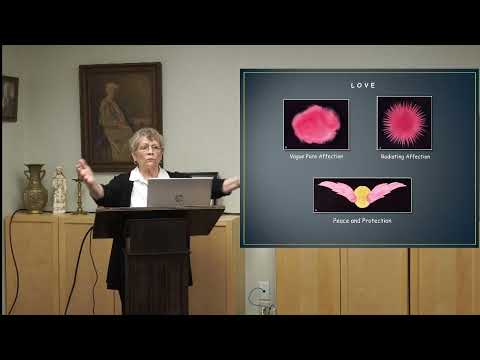
In the book Thought Forms: A Record of Clairvoyant Investigations by Annie Besant and C.W. Leadbeater, various common thought forms are depicted:
These thought forms are created from the substance of our mental and astral bodies and can detach and travel, influencing others.
Thought forms are built from a blend of desire and will, setting up vibrations that carry the thought's quality—whether calmness, anger, or affection. A strong thought combined with will can create an astral double or mimic material objects.
Colors often reflect the emotion behind a thought form, making them not just mental but emotional projections. Habitual thoughts can create strong thought forms that accumulate in our aura, creating a psychic atmosphere that influences ourselves and others, including plants and animals.
When groups share thoughts and emotions, these blend into collective thought forms known as egregores. An egregor is a group mind or collective consciousness that takes on a life of its own, formed by shared beliefs, emotions, intentions, and worship.
Examples include cultural symbols like Santa Claus, Uncle Sam, or religious figures. Egregores influence the thoughts and actions of individuals within the group and can act as conduits for nonhuman psychic intelligences or astral entities.
Philosophers debate whether egregores have consciousness. Generally, thought forms are unconscious unless created by an adept who imbues them with consciousness. Adepts can create entities that behave as if conscious, such as astral doubles.
Magic, in theosophy, is the application of spiritual or psychic forces. The ethical nature of magic depends entirely on motive:
Many popular manifestation practices border on black magic if motivated by selfish desires.
Occult groups often deliberately create and work with egregores through rituals and concentrated symbols. These group thought forms protect, guide, and energize members, sometimes surviving beyond the founders.
Religious deities and archetypal beings are often sustained by egregoral power, built from generations of faith and emotion.
Corporate logos and national flags can also become egregoric symbols, accumulating emotional energy and conditioning individuals.
Every group has an egregor, creating a subtle atmosphere that influences members. Awareness of egregores allows individuals to participate in uplifting group energies while resisting negative collective influences.
One can oppose harmful egregores by withholding energy, transforming their energy positively, or invoking higher spiritual forces.
Theosophy emphasizes the unity of thought as power and the necessity of using this power conscientiously.
White magic includes prayer, energy healing, blessings, and spiritual guidance performed without ego. Practitioners create protective thought forms or circles, often visualizing angels or divine light to ward off harm.
These practices involve cooperation with one's higher self or divine will, ensuring that the work accrues positive karma.
Black magic involves creating negative thought forms to harm or control others. Examples include curses, evil eye, and voodoo, which use ritual props to empower destructive thought forms linked to targets.
Such attacks can cause misfortune or mental obsession if the target's will is weak. However, protection through positive aura or spiritual help can neutralize these attacks.
Cult leaders may foster egregores of fanatic loyalty or fear to control followers, effectively enslaving their will.
We live in a universe filled with unsuspected power and potential. Our thoughts create real entities that influence ourselves and the world. Understanding thought forms, egregores, and magic reveals the profound impact of our mental and emotional energies.
By embracing ethical responsibility and conscious awareness, we can harness these forces for good, transforming ourselves and contributing positively to the world.
The journey involves courage, fortitude, and a commitment to selflessness, enabling us to change not only our lives but the collective destiny of humanity.