
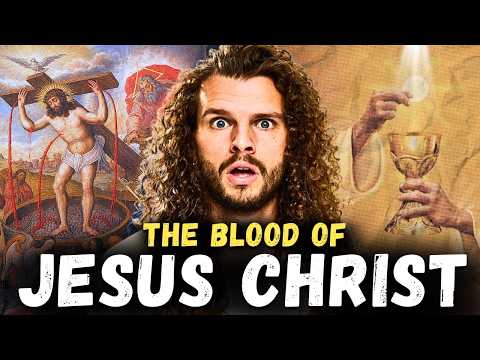
Transubstantiation is the Catholic belief that during communion, bread and wine literally become the body and blood of Jesus Christ. This doctrine has caused major theological debates, splits in Christianity, and even violent conflicts over centuries. Understanding this concept explains key differences between Catholic and Protestant practices and highlights its lasting impact on Christian history and culture.
What if I told you that over a billion people believe they are eating the literal presence of Jesus Christ every Sunday? Not symbolically, but literally. Welcome to the doctrine of transubstantiation.
Transubstantiation is a theological term used primarily in the Catholic Church to describe what happens during the sacrament of communion (also called the Eucharist). Catholics believe that during communion, the bread and wine do not merely represent Jesus Christ; they actually become His body and blood. This transformation is not symbolic but real, though the bread and wine retain their physical appearance, taste, and texture.
The word "transubstantiation" breaks down into two parts:
Thus, transubstantiation means the substance or essence of the bread and wine changes into the body and blood of Christ, while the accidents (appearance, taste, smell) remain the same.
This belief is rooted in the New Testament, specifically the Last Supper narrative. Jesus took bread and wine, blessed them, and said, "This is my body" and "This is my blood of the covenant." Christians have commemorated this event through communion for centuries.
For the first few centuries, Christians debated whether Jesus meant this literally or symbolically. Early Christians faced persecution and had bigger concerns than theological debates. However, after Christianity became legal under Emperor Constantine in 313 AD, the Church began formalizing doctrines.
By the 1100s, theologians borrowed from Greek philosophy, especially Aristotle's concepts of substance and accidents, to explain how the bread and wine could change in essence but not in appearance. The term "transubstantiation" was coined to describe this unique transformation.
In 1215, the Fourth Lateran Council under Pope Innocent III officially declared transubstantiation as Catholic doctrine.
The doctrine of transubstantiation became a major point of contention during the Protestant Reformation in the 16th century. Reformers like Martin Luther and John Calvin challenged the Catholic Church's teachings. Luther accepted the real presence but rejected the Aristotelian explanation, while Calvin and others viewed communion symbolically.
This disagreement led to a split in Christianity:
The belief in transubstantiation led to accusations of cannibalism against Catholics by Protestants. Pamphlets and public rhetoric called Catholics "cannibals," fueling social and political tensions.
These tensions contributed to violent conflicts such as the German Peasant War (1525) and the Thirty Years' War (1618-1648), which devastated Europe and caused millions of deaths.
Catholic communion is highly ritualistic and sacred. Only Catholics in a state of grace (free from mortal sin) may receive communion, and there are strict rules about fasting beforehand.
Protestant churches tend to have a more open and inclusive approach, allowing all believers to participate regardless of denominational affiliation.
The architecture and atmosphere of Catholic churches often center around the tabernacle, which houses the consecrated host (the body of Christ). Protestant churches typically focus on the pulpit and the sermon.
The Eastern Orthodox Church also believes in the real presence of Christ in communion but prefers to emphasize the mystery rather than explain the mechanism with philosophical terms like transubstantiation.
Understanding transubstantiation helps explain the deep theological and cultural differences between Catholicism and Protestantism. It sheds light on why these traditions have distinct worship styles, community practices, and even social interactions.
Despite centuries of division, Catholics and Protestants share the core Christian belief in Jesus Christ's sacrifice, resurrection, and the promise of forgiveness and salvation.
Transubstantiation is more than a theological term; it is a belief that has shaped Christian history, culture, and identity. Whether seen as a sacred mystery or a controversial doctrine, it remains central to understanding the divide and dialogue within Christianity.
Next time you witness a communion service, you might see it in a new light, appreciating the profound history and faith behind this ancient ritual.
Thank you for joining this exploration of transubstantiation. Whether you are Catholic, Protestant, or simply curious, understanding this doctrine offers insight into one of Christianity's most enduring and impactful beliefs.



















