
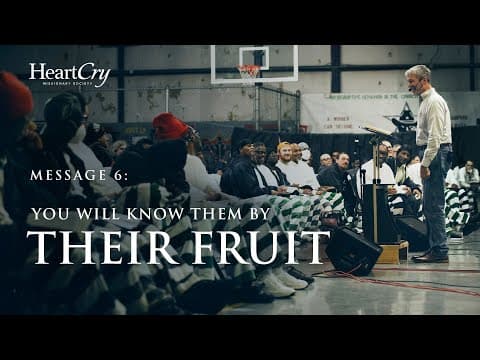
In this blog post, Paul Washer emphasizes the importance of love and good works as evidence of true faith in Christ. He discusses the relationship between grace and works, the tests of genuine faith found in 1 John, and the transformative power of love within the Christian community, particularly in the face of adversity.
In a recent sermon, Paul Washer addressed a group of believers, sharing insights on the nature of true faith and the evidence that accompanies it. He emphasized that genuine faith is not merely about belief but is demonstrated through love and good works, particularly in the context of community and adversity.
Washer began by reflecting on the miracles of the early church, as recorded in the book of Acts. He noted that while miraculous events were prevalent during the spread of the Gospel, they were often accompanied by persecution. Roman historians documented the suffering of Christians, who were often persecuted for their faith. Despite this, one striking observation emerged: in a society marked by division and hatred, Christians exhibited a profound love for one another, which puzzled their persecutors.
Washer quoted Jesus, who stated that disciples would be known by their love for one another, not by their miracles. This love was evident among the believers he encountered, showcasing a genuine bond that transcended societal divisions. He argued that the concept of racial tension is misguided, as the Bible teaches that there is only one race—the human race.
Transitioning to the topic of salvation, Washer referenced Romans 11:6, explaining that salvation is by grace and not by works. He clarified that while good works do not earn salvation, they are a natural outflow of genuine faith. True believers, having experienced grace, will desire to live in a way that honors God.
Washer illustrated this relationship with the example of Rahab and Abraham, whose faith was evidenced by their actions. He emphasized that while believers may struggle with sin, a heart that is truly regenerated will lead to repentance and a desire to serve God.
Washer then turned to the book of 1 John, where the Apostle John provides tests for believers to assess their faith. He highlighted several key verses:
In 1 John 1:5-6, John states that God is light and in Him, there is no darkness. Washer explained that to walk in the light means to live in accordance with God's revelation and character. If someone claims to be a Christian yet walks in darkness, they are deceiving themselves.
In 1 John 1:8-9, John addresses the reality of sin in the life of a believer. Washer pointed out that a genuine Christian will recognize their sinfulness and seek forgiveness. The act of confession is crucial, as it demonstrates a heart sensitive to sin and a desire for reconciliation with God and others.
Washer emphasized that true believers will have a new relationship with God's commands (1 John 2:3). This relationship is characterized by a desire to know and obey God's Word, even if they fall short at times. The evidence of faith is not perfection but a sincere effort to align one's life with God's will.
In 1 John 2:6, Washer noted that those who claim to abide in Christ should walk as He walked. This imitation of Christ is not about achieving perfection but about having a genuine desire to reflect His character and love.
Washer discussed the commandment to love one another, which Jesus emphasized as both old and new. While the command to love is not new, Jesus' example of self-giving love redefines it. True love is demonstrated through actions that prioritize the needs of others above oneself.
Washer concluded by referencing Matthew 25:31-46, where Jesus speaks of separating the sheep from the goats based on their actions toward others. He clarified that this passage is often misinterpreted as a call for general charity, but it specifically addresses how believers treat fellow Christians, especially those suffering for their faith.
He illustrated this with a scenario from first-century Rome, where Christians risked their lives to care for one another in times of persecution. This selfless love is the hallmark of true discipleship and a powerful testimony to the world.
In closing, Washer urged the audience to reflect on their faith and the evidence of love and good works in their lives. He emphasized that true faith is transformative, leading believers to care for one another deeply, even at great personal cost. The call to love one another is not just a suggestion but a command that reflects the heart of the Gospel and the nature of Christ Himself.



















