
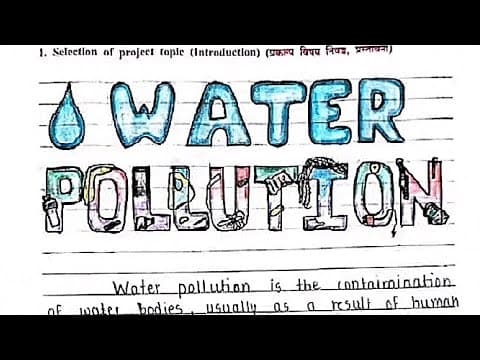
This blog post explores the critical issue of water pollution, its causes, effects, and the importance of environmental education and water security projects in addressing this global challenge.
Water pollution is a pressing issue that affects millions of people worldwide. It not only impacts the health of ecosystems but also poses significant risks to human health and well-being. In this blog post, we will explore the causes and effects of water pollution, as well as the importance of environmental education and water security projects in combating this global challenge.
Water pollution refers to the contamination of water bodies, such as rivers, lakes, oceans, and groundwater, by harmful substances. These pollutants can originate from various sources, including industrial discharges, agricultural runoff, sewage, and plastic waste. The presence of these contaminants can lead to severe ecological and health consequences.
Industries often release pollutants directly into water bodies without adequate treatment. Chemicals, heavy metals, and toxins from manufacturing processes can severely degrade water quality.
The use of fertilizers and pesticides in agriculture can lead to runoff during rainstorms. This runoff carries harmful chemicals into nearby water sources, contributing to nutrient pollution and harmful algal blooms.
Improperly treated sewage and wastewater can introduce pathogens and nutrients into water bodies, leading to contamination and health risks for communities relying on these water sources.
Plastic pollution is a growing concern, with millions of tons of plastic entering oceans and rivers each year. This not only harms aquatic life but also affects the food chain and human health.
Water pollution can lead to a variety of health issues, including gastrointestinal diseases, reproductive problems, and neurological disorders. Contaminated water can also exacerbate existing health conditions.
Polluted water bodies can disrupt ecosystems, leading to the decline of aquatic species and loss of biodiversity. The introduction of toxins can also affect the food chain, impacting species at all levels.
Water pollution can have significant economic impacts, including increased healthcare costs, loss of tourism revenue, and decreased property values in affected areas. Clean water is essential for agriculture, industry, and recreation, and pollution can hinder these sectors.
Environmental education plays a crucial role in raising awareness about water pollution and its effects. By educating communities about the importance of clean water and sustainable practices, we can foster a culture of conservation and responsibility.
Engaging communities in water security projects can empower individuals to take action against pollution. Initiatives such as clean-up drives, workshops, and educational programs can help instill a sense of stewardship for local water resources.
Education can also lead to advocacy for stronger regulations and policies aimed at reducing water pollution. Informed citizens are more likely to support initiatives that protect water quality and promote sustainable practices.
Water security projects are essential in addressing the challenges posed by water pollution. These initiatives focus on ensuring access to clean and safe water for all, while also protecting water resources from contamination.
Projects may involve the implementation of advanced water treatment technologies, restoration of natural ecosystems, and promotion of sustainable agricultural practices. By investing in these solutions, we can mitigate the impacts of pollution and safeguard water resources for future generations.
Collaboration between governments, NGOs, and communities is vital for the success of water security projects. By working together, stakeholders can share resources, knowledge, and expertise to create effective strategies for combating water pollution.
Water pollution is a complex issue that requires a multifaceted approach to address. Through environmental education and water security projects, we can raise awareness, promote sustainable practices, and work towards a cleaner, healthier future for our water resources. It is imperative that we take action now to protect our most vital resource and ensure its availability for generations to come.



















