
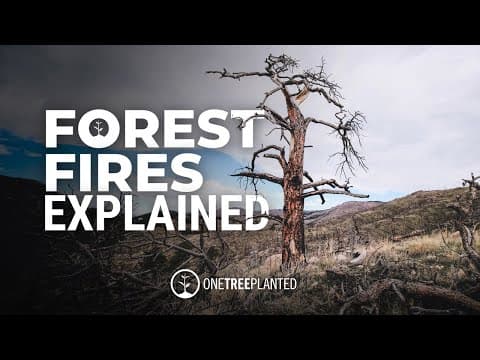
Wildfires are increasing in frequency and intensity due to climate change, leading to severe environmental impacts. Reforestation and improved forest management are essential strategies to combat these challenges and restore ecosystems.
Wildfires have become a pressing issue in recent years, particularly in the Western United States, where the number of wildfires has tripled over the past 30 years. This blog post explores the causes of wildfires, their environmental consequences, and potential solutions to mitigate their impact.
According to the United Nations, the number of extreme wildfires globally could increase by 50% by the end of the century. This alarming trend is primarily driven by rising global temperatures, which are increasing the frequency, intensity, and duration of wildfires across various regions.
The earth's climate is maintained by a delicate balance of atmospheric composition, solar energy, and greenhouse gases such as carbon dioxide. Unfortunately, the concentration of these gases is rising rapidly, mainly due to greenhouse gas emissions from fossil fuels and deforestation. As a result, global temperatures are steadily increasing, creating conditions conducive to wildfires.
Higher temperatures lead to drier vegetation, making it easier for plants and trees to ignite. Additionally, heat waves and dry conditions further exacerbate the risk of wildfires. In regions like Sonoma County, the situation has become dire, with conditions forcing 200,000 evacuations due to extreme fire threats.
The consequences of wildfires extend far beyond the immediate destruction of trees and homes. Even after a fire is extinguished, the effects can be long-lasting. One of the most critical issues is soil degradation. The intense heat from wildfires destroys organic matter that enriches the soil, which is essential for plant growth.
Topsoil plays a vital role in delivering nutrients to plants and absorbing water. When the protective plant cover is lost due to fire, the land becomes vulnerable to erosion from wind and water, further hindering the forest's ability to recover naturally. Over the past few decades, noticeable changes in forest composition and density have been observed, with many forests experiencing mass tree die-offs due to drought and other climate-related factors.
In the United States alone, wildfires are estimated to cost as much as $893 billion annually. The economic impact is profound, affecting not only the environment but also communities and families who lose their homes and livelihoods.
As we face the reality of worsening fire situations, it is crucial to explore solutions that can help mitigate the impact of wildfires. One effective strategy is reforestation, which involves planting trees and restoring forests on degraded lands. This process not only helps in recovering ecosystems but also serves as a natural solution to climate change.
Trees play a significant role in removing carbon from the atmosphere and are essential for healthy ecosystems. By planting native tree species in areas affected by fires, we can jumpstart nature's recovery process. Furthermore, investing in long-term solutions such as improved forest management is vital to ensure that our forests are healthier and more resilient to climate change.
The challenges posed by wildfires are significant and will only worsen if proactive measures are not taken. By understanding the causes and consequences of wildfires, we can better prepare for the future. Reforestation and improved forest management are key strategies that can help us combat the increasing threat of wildfires and restore our ecosystems. As we move forward, it is essential to recognize the importance of planting trees and investing in sustainable practices to protect our environment for generations to come.



















