
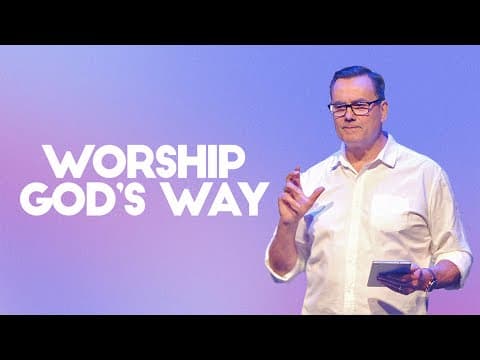
This blog post explores the concept of worship, emphasizing its broader meaning beyond singing and praising during church services. It discusses the biblical foundations of worship, the importance of posture and attitude, and how acts of service and daily living can be expressions of worship.
Worship is a term often associated with singing praises in church, but its meaning extends far beyond that. In this exploration, we will delve into what worship truly is, its biblical foundations, and how it manifests in our daily lives.
The question "What on Earth is worship?" invites us to reconsider our understanding of this practice. Many people attend church services expecting to receive something from worship, often expressing disappointment if they feel they did not get anything out of it. This transactional view of worship can lead to a misunderstanding of its true purpose.
In contemporary discussions about worship, the presence of God is frequently mentioned. Some churches emphasize feeling God's presence during services, while others may not experience it in the same way. Historically, when God's presence filled the Tabernacle, everyone was aware of it. However, our expectations of feeling something during worship may need to be adjusted. Instead of focusing on what we can receive, we should come prepared to give worship to God.
Worship is not merely about singing praises; it encompasses a much broader range of actions and attitudes. The Bible describes worship in two primary ways:
Posture of Bowing Down: This aspect of worship signifies humility and reverence before God. It is an acknowledgment of His greatness and our inferiority. In various cultures, bowing down is a sign of respect and honor.
Acts of Service: Worship also includes the acts of service we perform in our daily lives. These acts, when done with the right heart attitude, are considered worship by God.
The Bible provides numerous examples of worship, both in the Old and New Testaments. For instance, in Matthew 4:8-10, during the temptation of Jesus, the devil offers Him all the kingdoms of the world in exchange for worship. Jesus responds by quoting scripture, emphasizing that worship is due only to God. This interaction highlights the importance of worship as an act of service and devotion.
Worship is fundamentally about our relationship with God. It is not about what we can get from Him but about recognizing His worthiness. God does not need our worship; rather, we need to worship for our own benefit. This act of worship is rooted in our free will, allowing us to choose to honor God.
Worship extends beyond the walls of the church. It is a lifestyle that encompasses every aspect of our lives. Here are some ways we can express worship:
Gathering as a community to worship is important, but it should not be the only time we engage in worship. The early church gathered to worship, but their lives outside of those gatherings were also filled with acts of service and devotion to God.
The concept of the "fear of the Lord" is integral to understanding worship. This fear is not about being terrified but rather about having a deep reverence for God. It is recognizing His holiness and our need to honor Him in all we do.
Worship is a comprehensive expression of our relationship with God. It is not confined to singing during church services but is a lifestyle that encompasses our actions, attitudes, and interactions with others. As we go about our daily lives, we should strive to recognize every act of service and kindness as an opportunity to worship God. By doing so, we honor Him and acknowledge His worthiness in all aspects of our lives.
In summary, let us embrace a broader understanding of worship, recognizing that it is a continuous act of devotion that extends beyond our church gatherings into every moment of our lives.



















