
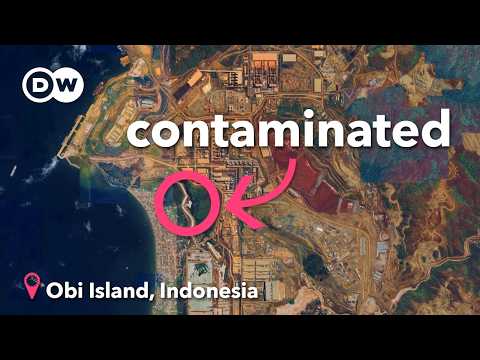
Harita Nickel, a leading Indonesian nickel mining company, has been accused of covering up toxic pollution that has contaminated local waters for years, despite presenting itself as environmentally responsible. Internal documents reveal serious breaches of environmental regulations and a disregard for local health, raising questions about corporate accountability in the electric vehicle supply chain.
Indonesia is home to one of the largest nickel mining companies in the world, Harita Nickel, which has been hiding a significant environmental scandal for over a decade. Internal emails and leaked documents reveal that the company has covertly contaminated surrounding waters while marketing itself as a responsible and sustainable entity. This situation raises critical questions about corporate accountability and environmental protection in the rapidly growing electric vehicle (EV) industry.
Nickel is a crucial component in lithium-ion batteries, which power electric vehicles. As the demand for electric cars surges, the need for nickel has transformed mining practices globally, with Indonesia emerging as a key player. The country produces over half of the world's nickel and has made it a strategic priority to maximize its mining output and develop its battery production industry. In 2014, Indonesia limited the export of raw nickel, prompting companies like Harita Nickel to capitalize on the growing market.
Harita Nickel employs over 20,000 people and operates one of the largest nickel mines on Obi Island in northeastern Indonesia, producing approximately 6% of the world's nickel. Since starting operations in 2010, the company has expanded rapidly, partnering with Chinese firms to strengthen its position in the global market. By 2023, Harita Nickel reported revenues exceeding one billion dollars and went public, raising $660 million in an IPO.
Despite its public image of environmental responsibility, Harita Nickel has been accused of misleading investors and the public about the environmental damage caused by its operations. Investigative reports by OCCRP and The Gecko Project, based on thousands of leaked internal documents, reveal that Harita's own tests indicated high levels of hexavalent chromium (Cr VI), a carcinogenic heavy metal, in the waters surrounding its mining operations.
The first indications of contamination surfaced in 2013, when internal documents revealed that wastewater runoff from the mine contained Cr VI at levels three and a half times the legal limit. Hexavalent chromium is known for its severe health risks, including increased cancer risk and damage to respiratory systems, skin, kidneys, and liver. Harita's internal communications acknowledged the contamination, yet the company continued its operations without disclosing this information to the public or investors.
Over the years, Harita Nickel faced numerous breaches, with internal emails confirming that the company was aware of the pollution. By 2022, Cr VI contamination had reached the drinking water of nearby villages, with levels exceeding legal limits by three times. High-ranking employees, including the current Director of Operations, were aware of the risks associated with the contamination, yet the company maintained its silence.
As Harita Nickel prepared for its IPO in 2022, the company faced scrutiny regarding its environmental practices. Despite knowing about the contamination, Harita publicly denied any wrongdoing and assured investors that their water tests complied with regulations. On the day of the IPO, the company issued a press release showcasing its commitment to sustainability, while internally, it was aware of the serious environmental issues at hand.
The local communities have been severely affected by Harita's mining activities. Residents have reported changes in their water quality and limited access to food sources, particularly fish, which have shown high levels of toxic metals. Harita's attempts to suppress information about pollution levels have raised alarms among locals, leading to protests against the company's practices.
The implications of Harita Nickel's actions extend beyond local communities. The company is currently undergoing an audit by the Initiative for Responsible Mining Assurance (IRMA), which could significantly impact its reputation and operations. Experts have suggested that the government should investigate the data and consider legal actions against the company for its environmental violations.
The case of Harita Nickel highlights the urgent need for transparency and accountability in the mining industry, particularly as it relates to the electric vehicle supply chain. As the demand for nickel continues to rise, it is crucial for companies to prioritize environmental sustainability and the health of local communities. The ongoing audit by IRMA and the protests from local residents may serve as catalysts for change, pushing Harita Nickel to improve its practices and address the environmental damage it has caused. The situation serves as a reminder that the pursuit of profit should never come at the expense of public health and environmental integrity.



















