
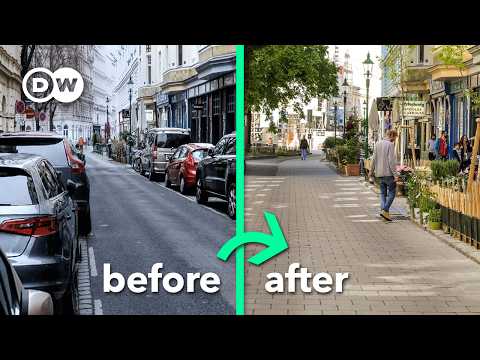
Vienna is tackling its severe parking shortage by reducing parking spots, introducing paid parking, and creating green superblocks that prioritize pedestrians and cyclists. This approach addresses environmental concerns, urban heat, and car dependency, while offering residents greener, quieter neighborhoods and better transit alternatives. Vienna's model shows how cities can transform parking challenges into opportunities for improved urban living.
Finding parking in Vienna's city center is notoriously difficult, often described as a "catastrophe" by locals. Despite the frustration of circling blocks and deciphering confusing signs, the city has taken bold steps to reduce parking availability, aiming to improve urban life and address environmental concerns.
Vienna's parking situation is worse than many other cities, including Manhattan. Drivers spend excessive time searching for spots, leading to stress and inefficiency. Yet, instead of increasing parking spaces, Vienna is cutting them down further, a move that initially seems counterintuitive.
Parking is more than just a convenience; it shapes urban life significantly. In many US cities, up to 25% or more of developable land is dedicated to parking, with cities like Las Vegas using a third of their space for this purpose. This extensive allocation of land to parking contributes to several problems:
Adding more parking spots often leads to more car ownership and usage, creating a vicious cycle. Zoning laws frequently require new developments to include parking, perpetuating the problem. This cycle makes parking a shared urban challenge that affects everyone.
To combat these issues, Vienna has introduced "superblocks"—15 designated blocks where car traffic is restricted, parking spots are removed, and bike lanes are expanded. These areas are being transformed with trees, bushes, and seating areas, creating vibrant, green, and quieter neighborhoods.
Residents have responded positively, with surveys indicating nearly 70% support for fewer parking spots and more green spaces. The city also encourages community involvement through projects that allow locals to petition for converting parking spots into green or public spaces.
Vienna has undertaken over 350 projects to convert asphalt into green and public areas. Examples include:
In 2022, Vienna introduced a city-wide parking management system requiring payment for all street parking and imposing a two-hour limit for non-residents. This policy discourages long-term parking and encourages the use of alternative transportation.
Experts note that charging for parking helps cities generate revenue from valuable public space and reduces the disproportionate allocation of resources to car owners.
Reducing parking availability only works if viable alternatives exist. Vienna supports this by offering:
These alternatives ease the transition away from car dependency and make the reduction of parking spots more acceptable.
Vienna's approach highlights the importance of balancing urban development with environmental sustainability and quality of life. By reducing parking, the city addresses:
Vienna's war on parking is a comprehensive effort to reclaim urban space for people rather than cars. Through innovative policies, community engagement, and investment in alternatives, the city is creating greener, quieter, and more livable neighborhoods. This model offers valuable lessons for other cities grappling with parking challenges and urban sustainability.
What steps is your city taking to reduce parking and improve urban life?



















