
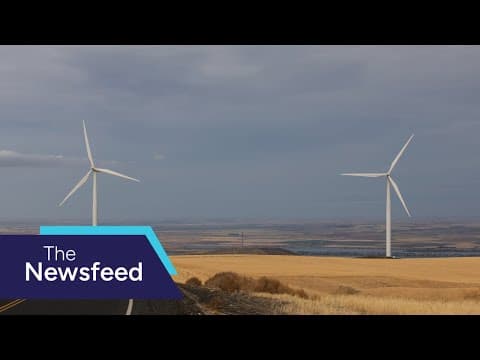
Washington State faces significant challenges in advancing green energy projects due to local opposition and complex stakeholder interests, as highlighted in the Northwest Reports podcast series.
Washington State is recognized for its leadership in environmental and ecological conservation. However, the journey towards large-scale green energy projects is fraught with complications and frustrations among critics. The latest podcast series from Cascade PBS's Northwest Reports, titled "It's Not Easy Going Green," delves into the multifaceted challenges Washington faces in addressing climate change. This blog post explores the insights shared by co-host Maleeha Syed and reporter Brandon Block, who discuss the various stakeholders involved and the complexities of implementing green energy solutions.
In the podcast, Maleeha Syed emphasizes the importance of localizing the broad topic of climate change to make it more digestible for listeners. While there is a general consensus on the need to address climate change, the methods of doing so effectively remain unclear. The series highlights a significant issue: many individuals support climate initiatives but oppose having such projects in their own neighborhoods. This phenomenon, often referred to as NIMBYism (Not In My Backyard), complicates the implementation of necessary green energy solutions, such as wind turbines and battery storage facilities.
Brandon Block introduces various stakeholders in the green energy debate, including a notable figure from the Yakama Nation, elder Jerry Meninick. Meninick articulates the deep spiritual connection the Yakama Nation has to the Horse Heaven Hills, an area that has historical significance for the tribe. He underscores that this land was under the stewardship of the Yakama Nation and other tribes long before the arrival of white settlers. The relinquishment of this land in the mid-19th century was governed by a treaty that grants the Yakama and other tribes specific rights regarding its use.
Meninick's opposition to the proposed wind farm, which would be the largest in the state, stems from concerns that it would irreversibly degrade the land. He highlights that the Yakama Nation has both a spiritual and legal stake in the land, which complicates the state's push for renewable energy projects. The elder's perspective illustrates the broader conflict between environmental progress and the rights of indigenous peoples, who have historically faced marginalization in energy development decisions.
After months of covering this complex topic, Brandon Block reflects on the varied perspectives surrounding climate change. He notes that even among those who recognize climate change as a pressing issue, there are differing opinions on the sacrifices individuals are willing to make for the greater good. This raises challenging questions about whose interests are prioritized in the decision-making process regarding energy projects.
The podcast prompts listeners to consider the sacrifices that the state may impose on marginalized communities, particularly indigenous tribes, in the name of progress. The historical context of energy projects in Washington reveals a pattern where tribes have often been left with little power to veto developments that significantly impact their lands and rights. This dilemma underscores the need for a more equitable approach to energy development that respects the voices and rights of all stakeholders involved.
The Northwest Reports podcast series "It's Not Easy Going Green" sheds light on the intricate dynamics of Washington's green energy initiatives. As the state grapples with the urgent need to combat climate change, it must also navigate the complex landscape of local opposition and the rights of indigenous peoples. The discussions presented in the series serve as a crucial reminder of the importance of inclusive dialogue and equitable solutions in the pursuit of sustainable energy practices.
Washington's journey towards a greener future is not just about implementing new technologies; it is also about ensuring that all voices are heard and respected in the process.



















