
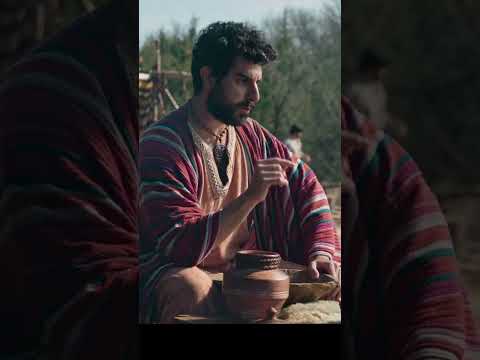
This article delves into a conversation among Jesus' followers about their limited food supplies and the question of why Jesus, who performed miracles like healing and walking on water, didn't simply make food appear. It highlights their struggles with scarcity, faith, and the practical realities they faced during their journey.
In the midst of their journey, Jesus' followers faced a very human problem: scarcity of food. Despite witnessing miraculous acts such as healing lepers and walking on water, they found themselves troubled by the simple need for sustenance. This article explores a candid conversation among the disciples about their limited food supplies and the deeper questions it raised about faith, provision, and the nature of miracles.
The group was gathered, counting their remaining food. There were 19 servings left, but 15 people to feed. They worried about whether Philip would return in time with more provisions. If Philip, Matthew, Simon, and Mary did not come back, they would have to split the remaining eight servings among themselves, leaving someone without food.
One disciple expressed concern:
"If Philip doesn't make it back to us, and Matthew and Simon don't find Mary, we can split the remaining eight servings. Someone would still be left out. And what if the others do come back? We'll have nothing for you."
Another suggested that Philip might have taken an extra day to visit by the Micah, hoping for more supplies.
The group acknowledged that this was literally their last meal. They had lentils, but not even half a pizza's worth of flour or yeast. The scarcity was palpable, and the reality of their situation was stark.
One disciple tried to remain hopeful:
"Mary might find berries."
A pressing question arose among them:
"He can make people walk. He can heal lepers. Why can't they make food appear out of thin air?"
This question reflects a common curiosity about the nature of Jesus' miracles. If he could perform such extraordinary acts, why not simply provide food when it was needed most?
One disciple shared his experience with John the Baptist:
"When I was with John, sometimes we would go for days without food. Other times, the person he baptized would give us money. We would eat like kings for the day."
This revealed a pattern of unpredictability and reliance on faith and the generosity of others rather than constant provision.
Another disciple commented:
"It doesn't sound like much of a planner."
They discussed John's views on money:
"John doesn't believe in money. He says it's a man-made construct designed to assign value and take ownership of things that belong to..."
The transcript ends here, but this insight hints at a broader philosophical and spiritual perspective on material possessions and reliance on divine provision.
The conversation among Jesus' followers reveals the tension between faith and practical needs. While they witnessed miraculous acts, they still faced the everyday challenge of hunger and scarcity. Their questions about why Jesus didn't simply make food appear highlight the complexity of faith, the nature of miracles, and the human experience of trust and provision.
This reflection invites readers to consider the balance between divine intervention and human responsibility, and how faith can sustain individuals even in times of uncertainty and need.



















