
This article explores common arguments made by Eastern Orthodox apologists against Catholicism, highlighting inconsistencies and shared challenges within both traditions. It emphasizes the importance of focusing on meaningful theological dialogue and outreach to those furthest from Christ rather than engaging in unproductive online disputes.
Even though Eastern Orthodox Christians constitute only about 1% of the American population and 4% globally, there has been a noticeable increase in posts from Eastern Orthodox apologists urging Christians to leave their churches and "come home to Orthodoxy." However, many of the reasons these apologists give to support their claims often undermine their own Orthodox commitments. This article examines these arguments and offers reflections on engaging in Orthodox-Protestant-Catholic inter-Christian discussions (PMICS).
To provide a balanced perspective, Eastern Orthodox priest Father Lauren Cleanwork, author of He's Broken Body: Understanding and Healing the Schism between the Roman Catholic and Eastern Orthodox Churches, reviewed the content discussed here.
A frequent argument from Eastern Orthodox critics of Catholicism involves pointing out actions by the Pope that they find "cringe-worthy" or disagreeable, such as the Pope blessing a lock of ice at a climate change event. They then conclude that Catholics should convert to Orthodoxy. However, this reasoning is flawed because:
Eastern Orthodox apologists often argue that if the Pope makes a doctrinal error, Catholicism is false, and Orthodoxy must be true. This argument is based on the Catholic doctrine of papal infallibility. However, this argument overlooks several important points:
This inconsistency suggests that some Eastern Orthodox apologists apply a double standard when critiquing Catholicism.
Some Eastern Orthodox apologists claim they do not rely on personal interpretation because they have an infallible sacred tradition. However, questions arise about how they determine the specific contents of this tradition. For example, on the question of whether Catholics and Muslims worship the same God, there is disagreement even among Orthodox leaders and saints.
One Orthodox apologist stated that no bishop is infallible and that every person who has been chrismated in the Orthodox Church has a direct connection to God, negating the need for a magisterium. This approach resembles Protestant reliance on the Holy Spirit guiding personal interpretation, which contradicts the Orthodox emphasis on communal tradition.
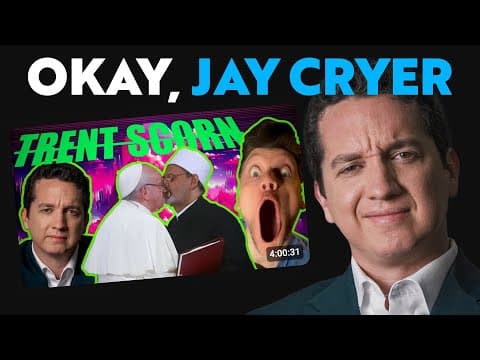
Some Eastern Orthodox apologists cite statistics to claim Orthodoxy is growing while Catholicism is declining. For instance, Jay Dyer reposted a lament about declining Catholic Mass attendance, claiming "Papism is dying, Orthodoxy is exploding." However, the same Pew study shows that only 23% of Orthodox attend Divine Liturgy weekly, compared to 29% of Catholics attending Mass weekly.
Similarly, scandals involving liberal Catholic priests are often highlighted, but Orthodox churches also face scandals, including liberal clergy supporting same-sex marriage. Criticism of the Vatican's political involvement is also common, yet Eastern Orthodoxy has a long history of close ties with secular rulers, such as the Byzantine Emperor and modern accusations of the Russian Orthodox Church being a propaganda arm for Vladimir Putin.
Some Eastern Orthodox apologists misunderstand or misrepresent Catholic teachings and documents. For example, Jay Dyer criticized the Second Vatican Council's statement that Muslims worship God, but this teaching is not an infallible dogma and remains open to theological discussion.
The International Theological Commission's documents, often cited in these debates, represent permitted theological opinions rather than official Church teachings. The Catholic Church allows for a range of theological opinions on many issues, such as predestination, without defining one as the sole correct interpretation.
The author of this article rarely discusses Eastern Orthodoxy extensively because many Catholics already engage with Orthodox-related content. Instead, the focus is on reaching those furthest from Christ, such as atheists, non-religious individuals, and adherents of non-Christian religions like Islam and Hinduism.
Globally, there are approximately 2 billion people who do not believe in any religion and another 4 billion who believe in God but not in Christ. In the United States, nearly half of Generation Z identifies as non-religious.
Among Christians leaving the Catholic Church, less than 1% become Eastern Orthodox, while many become non-religious or Protestant. Social media algorithms can distort perceptions of these trends.
The author emphasizes the desire to promote full communion between Eastern and Western apostolic Christians, quoting Pope Leo's recent statement on restoring communion without absorption or domination but through mutual exchange of gifts for the glory of God and the edification of the body of Christ.
Online debates between Eastern Orthodox and Catholic apologists often focus on issues that apply equally to both traditions or are not essential to faith, leading to unproductive arguments. Instead, efforts should be directed toward:
The author expresses hope that online apologists from both traditions will take breaks from contentious debates and focus on evangelization and unity.
Special thanks to Father Lauren Cleanwork for reviewing this content. His book He's Broken Body is highly recommended for those interested in understanding the schism between the Roman Catholic and Eastern Orthodox Churches.
This article aims to provide a thoughtful and balanced examination of common arguments in Orthodox-Catholic discussions and encourages a more fruitful and charitable approach to inter-Christian dialogue and evangelization.



















