
World's Largest Iceberg A23A Approaches South Georgia: Implications for Wildlife and Research
The world's largest iceberg, A23A, has broken free from Antarctica and is heading towards South Georgia, posing risks to local wildlife and fishing activities while also providing unique research opportunities for scientists studying its impact on the ocean's carbon cycle.
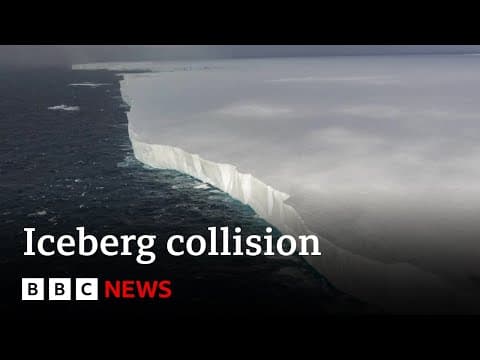
The world's largest iceberg, known as A23A, has recently broken away from Antarctica and is now on a collision course with the British territory of South Georgia. This territory is renowned for its large colonies of penguins and seals, and both fishermen and local authorities are preparing for the potential impact of this massive ice formation.
The Journey of A23A
For decades, A23A remained stuck in Antarctica, but in December, it finally broke free. Satellite images have captured its movement as it speeds into an area known as Iceberg Alley, a region where icebergs typically drift and eventually disintegrate. However, South Georgia lies directly in its path, raising concerns among those who depend on the surrounding waters.
The Impact on Local Life
Ice is an integral part of life for sailors and fishermen in South Georgia. The arrival of A23A, a colossal iceberg, has heightened awareness of the dangers posed by such large ice formations. Local fishermen have expressed the need for caution, emphasizing that icebergs can appear suddenly and pose significant risks.
The presence of A23A could disrupt local ecosystems, particularly for the wildlife that relies on the waters around South Georgia. The iceberg's massive size means it could block crucial feeding grounds for half of the world's king penguins and millions of seals, potentially endangering these species.
Research Opportunities
Despite the risks, the arrival of A23A also presents unique opportunities for scientific research. Last year, British researchers took advantage of the iceberg's presence to study it up close. One researcher described the experience as extraordinary, noting the towering walls of ice that dwarf human observers.
In a laboratory setting, scientists are analyzing water that has melted off A23A to understand how icebergs influence the ocean's carbon cycle. While A23A's formation is not directly attributed to climate change—having occurred in 1986—its movement highlights the ongoing effects of climate change on ice sheet stability. As these ice sheets become more unstable, the likelihood of larger icebergs breaking off increases.
Understanding the Future
Studying icebergs like A23A is crucial for understanding their impact on marine ecosystems and the broader environment. Researchers aim to gain insights into how these massive ice formations affect ocean dynamics, wildlife, and climate patterns. As A23A approaches South Georgia, the local community and scientists alike are bracing for its arrival, recognizing both the challenges and opportunities it presents.
In conclusion, the journey of the world's largest iceberg serves as a reminder of the delicate balance between nature and human activity. As A23A looms on the horizon, it brings with it a mix of concern for local wildlife and excitement for scientific discovery, underscoring the importance of continued research in the face of climate change.



















