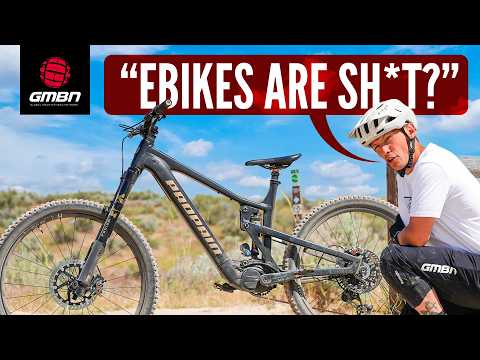
When buying a new mountain bike, understanding key truths can save you money and improve your riding experience. Components matter but mid-tier is often enough, the frame is crucial, diminishing returns exist at higher price points, weight is less important than skill, and proper bike setup beats expensive upgrades. Choose upgrades wisely, buy for your trails, and remember the best bike is the one you ride most.
If you're in the market for a new mountain bike, there are some harsh realities you need to understand to avoid wasting money and to get the most out of your purchase. Many riders focus on the wrong aspects and end up disappointed. Here are 10 brutal truths about mountain biking that will help you make a smarter decision.
There's a common belief that top-tier components will automatically make you a better rider. While there is a significant difference between the cheapest components and mid-range ones, the jump from mid-range to top-tier often results in diminishing returns. Most riders will never fully utilize the capabilities of elite components.
Mid-grade drivetrains, brakes, and suspension are excellent and sufficient for about 90% of riders. When buying a bike, be honest about what you need and what you are paying for. Avoid base models with the cheapest components; instead, aim for mid-tier parts. Top-spec components are designed for elite racers and may not justify their cost for the average rider.
The frame is the foundation of your bike. While you can upgrade components later, you cannot change the frame's geometry or suspension kinematics. If the frame isn't right for your riding style, no amount of fancy parts will make the bike perform as you want.
When buying your next bike, research the frame design, geometry, and suspension setup carefully. Even if you start with a cheaper model, ensure the frame suits your needs.
Upgrading from a $1,500 bike to a $3,000 bike shows a noticeable performance improvement. However, doubling the price again to $6,000 yields much smaller gains. This doesn't mean high-end bikes are bad, but be realistic about what you get for the price.
For example, a Fox Factory fork with Kashima stanchions looks great but may not improve your riding significantly.
Unless you're an elite cross-country racer, shaving a pound or two off your bike won't make you faster. You're more likely riding slower due to braking too hard, poor cornering skills, or fitness level.
Modern bikes tend to be heavier because they are stronger and more durable. Sometimes, a bit more weight means better longevity and reliability.
Many riders jump straight to expensive upgrades like suspension, drivetrains, or carbon wheels. However, the most important upgrades are the touchpoints: pedals, grips, and saddle.
After these, consider bars, stem, and then bigger upgrades like suspension or brakes.
Many waste money on fancy carbon wheels when upgrading tires would have a bigger impact. The right tires, casing, compound, and tire pressure (preferably tubeless) dramatically affect ride quality and performance.
Tires are arguably the first upgrade you should consider after pedals, grips, and saddle.
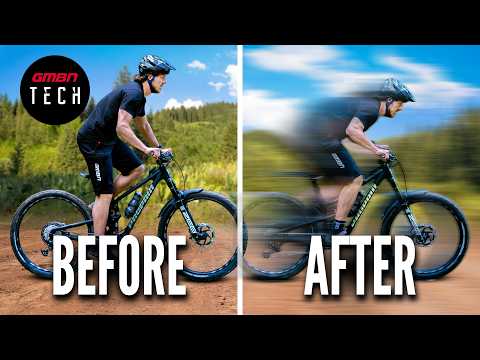
Setting your bike up correctly—adjusting sag, rebound, tire pressure, cockpit position, lever reach, and seat height—can transform your ride without spending a dime.
Many riders upgrade components before dialing in their setup, leading to dissatisfaction. A bike perfectly tuned to your weight and riding style will outperform a bike with expensive parts but poor setup.
An expensive bike won't magically make you a better rider. Skill development comes from practice, not from the bike's price tag.
Starting on a cheaper bike, like a hardtail, can help you learn skills faster and better. Don't rely on a fancy bike to compensate for lack of skill.
A long-travel enduro bike with elite suspension might look cool, but if you mostly ride mellow singletrack, it will slow you down.
Conversely, an XC or hardtail bike might not be suitable for steep, technical trails. Choose a bike that fits the type of trails you ride 90% of the time.
Whether it's an e-bike, gravel bike, or trail bike, the best bike is the one that gets you out riding regularly.
For example, if you live far from singletrack trails, a gravel or road bike might be more practical to get more rides in.
Your perfect bike should excite you, match your riding style, and suit the trails you frequent.
These 10 brutal truths will help you make a more informed decision when buying your next mountain bike. Consider your needs, riding style, and budget carefully.
Feel free to share which truth resonated most with you in the comments. Remember, the best bike is the one that fits you and gets you on the trails!