Long flights in economy can be challenging, but with the right strategies, you can enhance your comfort and experience. This article outlines ten essential tips, including choosing the right seat, dressing comfortably, staying hydrated, and managing your mindset during the flight.
Long flights in economy can feel like a true test of endurance. The cramped space, lack of privacy, and hours of sitting can make the journey challenging. However, with the right strategies, you can enhance your comfort and experience. Here are ten must-know tips to survive a long flight in economy, helping you make the most of your time in the air.
The seat you choose can make a world of difference when flying long distances in economy class. If you value extra space, opt for a seat in the exit row or bulkhead, which offer more legroom. However, be aware that some exit row seats do not recline, and airlines have strict rules about who can sit there.
If you're traveling alone and need space to relax, a window seat might be your best option. You can rest your head against the wall and enjoy a beautiful view to distract you from the endless hours in the air. Conversely, if you prefer the freedom to get up without disturbing others, an aisle seat is ideal, allowing you to stretch your legs and use the restroom easily.
Pro Tip: Before booking, use flight seating tools like SeatGuru to see reviews of specific seats on your plane. These tools can help you avoid bad seats and ensure you're choosing the most comfortable option available.
Comfort is key, and what you wear matters. Opt for loose, breathable clothing that doesn't restrict movement. Consider moisture-wicking fabric to keep you cool, especially if you're prone to getting hot during the flight. Layering is also essential, as temperatures can vary throughout the flight. Start with a comfortable base layer and add a lightweight sweater or jacket that you can easily remove if it gets too warm.
A scarf or shawl can serve as both a blanket and a pillow. Remember, the cabin can get cold, so a warm cozy layer will make all the difference in your comfort. For footwear, avoid tight shoes that might swell during the flight; opt for something easy to slip off when you need to stretch your legs. Compression socks are also a great option to help with circulation and prevent swelling in your feet and ankles.
One of the most crucial items to bring on a long flight is noise-cancelling headphones or a good pair of earplugs. The noise of the engines, crying babies, and constant chatter can make it hard to relax or sleep. Noise-cancelling headphones can block out ambient noise, allowing you to focus on your movie, music, or even sleep.
While noise-cancelling headphones can be expensive, there are budget-friendly options that still offer great sound quality and noise reduction. If headphones aren't your preference, a good pair of earplugs can work wonders, especially for blocking out noise while you sleep.
Sitting for hours on end can lead to discomfort and health issues like deep vein thrombosis (DVT). Make it a point to get up and stretch your legs at least once every couple of hours. Walking down the aisle, doing simple stretches in your seat, or even just standing up for a few minutes can help improve circulation and prevent stiffness.
Pro Tip: If you don't want to disturb others, try stretching your legs in the galley area or near the bathrooms. You can also use restroom visits as an opportunity to move around a bit more. Some airlines even have guided seat exercises available through their inflight entertainment systems.
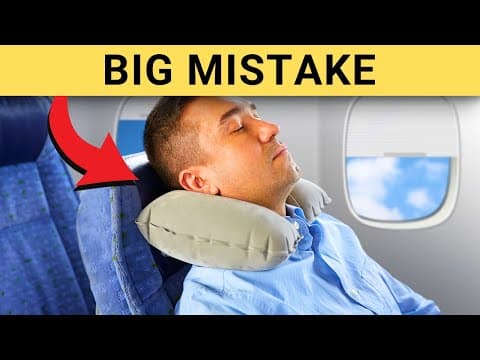
Getting rest during a long flight is essential to arriving at your destination feeling refreshed. One way to improve your chances of getting some sleep is to bring your own travel pillow and blanket. The pillows provided by airlines are often small and uncomfortable, so investing in a quality neck pillow can make a big difference.
A memory foam pillow or an inflatable one can help support your neck and prevent stiffness. Additionally, bring a small blanket or shawl to keep warm, as the cabin can get chilly during the night. Don't forget to wear an eye mask and earplugs or noise-cancelling headphones to block out light and noise, enhancing your chances of a restful sleep.
If you're flying long distances, it's worth looking into how you can make your flight more comfortable. Many airlines offer premium services like extra legroom, access to lounges, and priority boarding. If you're a frequent flyer, you may be able to use your miles or points to upgrade to a higher class or gain access to perks.
Even if you don't have enough miles for an upgrade, sometimes it's worth asking about available upgrades at the check-in counter. You might be able to purchase a discounted upgrade to business or premium economy, which can significantly enhance your comfort. Some airlines also offer lounge access for a fee, allowing you to relax and enjoy better amenities before boarding.
Long flights often mean sitting still for long periods, which can impede blood flow in your legs and feet. To combat this, compression socks are a must-have item. These socks help improve circulation, prevent swelling, and reduce the risk of blood clots during the flight.
Compression socks come in various sizes and strengths, so you can choose the one that works best for your needs. Many travelers find that wearing compression socks significantly reduces discomfort in their legs after long-haul flights, making them a great option for anyone looking to feel more comfortable and energized upon landing.
Hydration is extremely important when flying, as the dry cabin air can quickly leave you feeling parched and dehydrated. Make sure to drink plenty of water during the flight. It's best to avoid sugary drinks or alcohol, as these can further dehydrate your body and disrupt your sleep patterns.
Try to bring a refillable water bottle through security or ask the flight attendant for water regularly throughout the flight. While airlines typically provide small cups of water, you might not get as much as you need to stay hydrated, so keep sipping regularly and avoid drinks that will dehydrate you.
Although airlines provide meals on long flights, they often aren't the healthiest or most satisfying. Packing your own snacks can help keep your energy up and ensure you have something tasty to munch on throughout the flight. Opt for healthy, non-perishable items that don't take up too much space, such as nuts, dried fruit, granola bars, or crackers.
Avoid anything too salty, as it can make you feel bloated and thirsty, and limit sugary snacks that will cause a quick energy crash. If you prefer savory foods, pack some cheese or jerky for a protein boost. Many airlines allow small amounts of food to be brought on board, but check your airline's policy to avoid any issues at security.
Finally, remember that long flights in economy class are all about patience and mindset. Traveling long distances can be stressful, especially if there are delays or uncomfortable situations. However, staying calm and positive will help you get through the flight more easily.
Bring along calming activities like deep breathing exercises, meditation apps, or soothing music. Don't get caught up in the stress of the situation; embracing a calm, patient attitude can make a huge difference in how you experience the flight. Focus on the destination and think about the exciting things awaiting you upon arrival.
In conclusion, these ten tips can help you stay comfortable and make your flight experience much more enjoyable. Safe travels!