
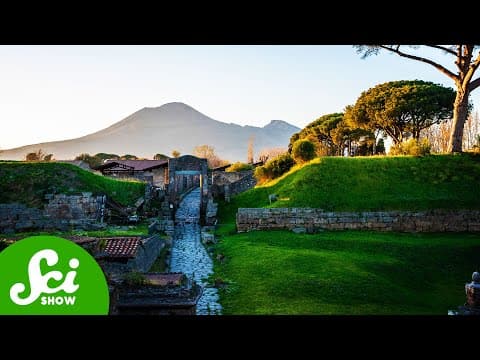
Pompeii, a vibrant Roman city, was buried under ash during the eruption of Mount Vesuvius in 79 CE. This blog post explores ten lesser-known facts about the eruption, the towns affected, the geological aspects of Vesuvius, and the ongoing archaeological discoveries that continue to reshape our understanding of this ancient disaster.
Pompeii, a bustling city on the western coast of Italy, met a tragic fate in 79 CE when Mount Vesuvius erupted, burying the town under layers of ash and pumice. While many are familiar with the general story of Pompeii, there are numerous intriguing details that often go unnoticed. Here are ten facts that shed light on this historical disaster and its aftermath.
On that fateful day, the citizens of Pompeii went about their daily routines, unaware of the impending disaster. The ground had been rumbling, and ominous signs were reported, including a cloud resembling a pine tree rising from Vesuvius. As ash began to fall, panic ensued, and many attempted to flee, while others sought refuge in their homes. Ultimately, the eruption transformed Pompeii into a ghost town, buried under a thick layer of volcanic debris.
Pompeii was not the only town to suffer from the eruption. Three other towns—Herculaneum, Stabiae, and Oplontis—were also buried. Herculaneum, a resort town, was initially thought to have been evacuated, but later excavations revealed many bodies that succumbed to hot gas surges. Stabiae was known for its beautiful frescoes, while Oplontis featured a luxurious villa possibly belonging to Emperor Nero's second wife.
Mount Vesuvius is classified as a composite volcano, or stratovolcano, formed over 17,000 years through layers of ash and lava. The current cone of Vesuvius emerged from a caldera known as Mount Somma. The volcano remains active, with the last eruption occurring in 1944, and studies indicate an increase in seismic activity over the years.
Contrary to the belief that the eruption was unexpected, Pompeii had experienced numerous seismic events leading up to 79 CE. A significant earthquake in 62 CE had already left the town in disrepair, and evidence suggests that residents were accustomed to living in a seismically active region. Unfortunately, these signs were not heeded as a warning of the impending eruption.
The eruption unfolded over two days, as documented by Pliny the Younger in letters to the historian Tacitus. He described the initial tree-shaped cloud, followed by pumice and ash raining down, and the eventual collapse of buildings under the weight of debris. This timeline highlights the gradual yet catastrophic nature of the eruption.
For years, historians believed the eruption occurred on August 24th, but recent studies suggest it may have happened in October or early November. Evidence from excavations and writings found on walls has led to ongoing debates about the exact date, indicating that our understanding of this event continues to evolve.
The exact cause of death for Pompeii's residents remains a topic of research. While many assume that ash suffocation was the primary cause, studies indicate that pyroclastic surges—hot gas and debris—were likely the deadliest factor. These surges could instantly kill anyone in their path, as described in Pliny the Younger's accounts of his uncle's demise.
Pompeii is often regarded as the birthplace of modern archaeology. The systematic excavations initiated in 1748 marked a shift from treasure hunting to a focus on understanding everyday life in ancient times. Archaeologists began to document their findings meticulously, paving the way for future studies of ancient civilizations.
One of the most haunting legacies of Pompeii is the plaster casts of its victims. Created by pouring plaster into voids left by decomposed bodies, these casts provide a glimpse into the final moments of those who perished. However, many casts lack complete skeletons due to early excavation practices, complicating further study.
Despite extensive excavations, a significant portion of Pompeii remains unexcavated. New technologies, including genetic analysis, are revealing more about the lives of Pompeii's inhabitants. Recent studies have uncovered insights into their health, social structures, and even their genetic backgrounds, challenging previous assumptions about life in ancient Pompeii.
The story of Pompeii is far more complex than the tale of a volcanic eruption. As research continues, we gain deeper insights into the lives of its residents and the catastrophic events that befell them. With ongoing excavations and advancements in technology, the mysteries of Pompeii are gradually being unveiled, reminding us of the resilience and fragility of human life in the face of nature's power.



















