Discover essential airport secrets that can save you money, enhance your travel experience, and help you navigate the complexities of air travel with ease. From avoiding overpriced duty-free items to understanding the psychology behind airport design, this guide reveals insider tips for smarter travel.
Airports are not just transit points; they are complex environments filled with hidden hacks, strange rules, and marketing strategies designed to keep travelers spending. Here are 101 airport secrets that can help you navigate these bustling hubs more effectively.
Contrary to popular belief, duty-free shops often have inflated prices. A quick online search can reveal better deals elsewhere.
Duty-free zones are designed to confuse travelers, encouraging them to spend more time and money on overpriced items.
If you see "SSSS" on your boarding pass, prepare for a personal pat-down and luggage inspection. This can happen for various reasons, including last-minute bookings or cash payments.
These scanners are not judging your body; they are checking for concealed items. If uncomfortable, you can opt for a pat-down instead.
The 3.4-ounce liquid rule dates back to 2006 and is considered outdated by many experts. Still, travelers must comply with it.
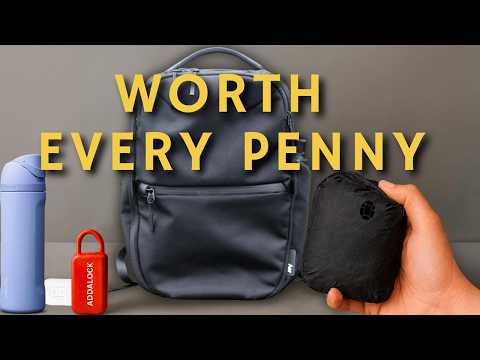
Instead of paying $5 for a bottle, bring an empty one and fill it at hydration stations for free.
You can find quiet spots and charging stations throughout the airport without paying for a lounge pass.
Avoid the rush and chaos by waiting until the final call to board. This strategy can save you time and stress.
If you dislike turbulence, sit over the wings for a smoother ride.
These seats offer extra legroom but come with the responsibility of assisting in emergencies.
Airplane food often tastes bland due to cabin pressure, which dulls taste buds. Bring your own snacks to avoid disappointment.
Some airports do not regularly clean their water tanks, which can affect the taste of coffee. Stick to bottled beverages if you're concerned.
Packing your own snacks can save you money and ensure you have something you enjoy.
Take a photo of your checked luggage before handing it over. This can help if it gets lost.
Using a luggage tracker can help you locate your bag if it goes missing.
Keep your luggage light to avoid hefty fees. Wear your heaviest clothes on the plane.
Most airports have apps that provide gate information, food options, and security wait times.
Morning flights are less likely to be delayed due to fewer travelers and shorter security lines.
If you need help, ask a janitor. They often know the airport layout better than busy gate agents.
Carpeted areas are designed to make you feel relaxed and encourage spending, while tiled areas promote speed.
Airports use big windows to create a pleasant atmosphere, encouraging spending.
Airports often pump pleasant scents into the air to keep travelers relaxed and spending.
Flight attendants can unlock airplane bathrooms from the outside in emergencies, reminding you that privacy is limited.
Airplane bathrooms are small to maximize seating capacity, prioritizing profit over comfort.
Avoid touching the flush button with bare hands to reduce germ exposure.
After you check your bag, it goes through a complex system that can lead to it getting lost.
Baggage handlers often have tight schedules, which can lead to rough handling of your suitcase.
Tight flight connections can result in lost luggage as airlines prioritize passengers over bags.
Those hard bread rolls are often frozen and reheated, lacking freshness.
Ice in drinks may come from the same water tanks as coffee, so consider skipping it.
Avoid using airport ATMs due to high fees and poor exchange rates.
Many airports charge for Wi-Fi. Look for free connections or use your phone's hotspot.
Most luggage carts are not free; consider packing light instead.
Choose the left security line, which is often shorter than the right.
Keep your laptop on top of your carry-on for easier access during security checks.
Wear slip-on shoes for easier security checks.
Kindness can go a long way in getting better service or even upgrades.
Treat gate agents well; they can help you rebook flights or find solutions.
The lights dim before landing to help your eyes adjust for safety.
The brace position is designed to protect you during an emergency.
Your seat cushion can serve as a flotation device in case of a water landing.
Airlines oversell flights based on expected no-shows. If you volunteer to be bumped, you might receive compensation.
If your flight is delayed, you may be entitled to compensation depending on the cause.
Some airlines have temperature-controlled compartments for pets, and small pets can often travel in the cabin.
Tray tables are often dirtier than airplane bathrooms; use sanitizing wipes before eating.
Always carry hand sanitizer to combat germs in airports and on planes.
Some airports, like Singapore's Changi, offer unique amenities like gardens and movie theaters.
Look for nap pods or quiet zones in airports for a comfortable rest during layovers.
Pack a power bank to avoid the hassle of finding charging outlets in crowded airports.
Turbulence is normal and planes are designed to handle it safely.
Always buckle up, even when the skies look clear, to prepare for unexpected turbulence.
Pilots have strict schedules and sleeping quarters, but it's not as glamorous as it sounds.
Pack a small travel kit with essentials like lip balm and hand sanitizer to stay comfortable during flights.
Always bring a portable charger to keep your devices powered throughout your travels.
With these 101 airport secrets, you are now equipped to navigate airports like a pro, saving money and enhancing your travel experience. Happy travels!