This article explores the complexities of honesty in marriage, particularly from the perspective of good men. It discusses how women's emotional responses can lead to misunderstandings and conflicts when men share their vulnerabilities, ultimately suggesting that sometimes withholding certain truths may be necessary for relationship harmony.
In the realm of relationships, honesty is often touted as a cornerstone of trust and intimacy. However, the dynamics between men and women can complicate this ideal. This article delves into the reasons why a good man might choose not to be completely honest with his wife, emphasizing the emotional maturity required to navigate these conversations.
It is essential to recognize that men and women are wired differently, leading to distinct emotional responses. Women may not always be equipped to handle the full weight of their husband's truths. This disparity can create a challenging environment where honesty may not yield the desired outcomes.
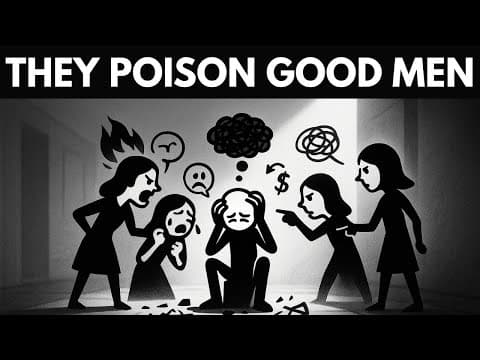
One significant reason a good man might refrain from sharing his truths is that women can sometimes use their husband's vulnerabilities against them. When a man opens up about past mistakes or insecurities, it can be stored and later used as ammunition in arguments. For instance, a husband might share his past relationships, believing it fosters intimacy, only to find that this information is later used to question his trustworthiness. This protective instinct leads many men to hide their truths to avoid potential conflict.
When a good man expresses his feelings or concerns, it can be misconstrued as a personal attack. For example, if a husband shares that he feels unheard in the relationship, his wife may interpret this as an indictment of her character. This miscommunication can spiral into a blame game, where the husband feels gaslighted and unsure of his own feelings, leading to further emotional turmoil.
Another challenge arises when women conflate a man's honesty with unrelated issues. A husband might share a benign truth, such as attending a social event, only for his wife to react by questioning his fidelity or commitment. This tendency to blow issues out of proportion can create an environment of distrust, where men feel compelled to hide their actions to avoid unnecessary conflict.
Ironically, telling the truth can sometimes result in a man being labeled a liar. For instance, if a husband initially avoids sharing plans to go on a trip with friends, fearing his wife's reaction, and later admits the truth, he may find himself accused of dishonesty. This paradox can discourage men from being open, as they fear the repercussions of their honesty.
Lastly, when men share their truths, women may incorporate these revelations into their own narratives of victimhood. For example, if a husband expresses discomfort about attending family gatherings, his wife might internalize this as a personal rejection, leading her to feel unsupported. This can create a cycle of blame, where the husband feels guilty for his feelings, and the wife feels justified in her unhappiness.
While this discussion does not condone dishonesty, it highlights the need for both partners to understand their emotional landscapes. Good men must navigate their relationships with an awareness of how their truths may be received, while women should strive for emotional maturity to handle their husband's vulnerabilities without weaponizing them.
For those seeking to improve their relationships, courses such as the Happiness Program for women and the Marriage Rescue Course for men can provide valuable insights and strategies for fostering healthier communication and understanding.
In conclusion, while honesty is vital in a marriage, the complexities of emotional responses necessitate a thoughtful approach. By recognizing and embracing these differences, couples can create a safe space for sharing truths that ultimately strengthen their bond.