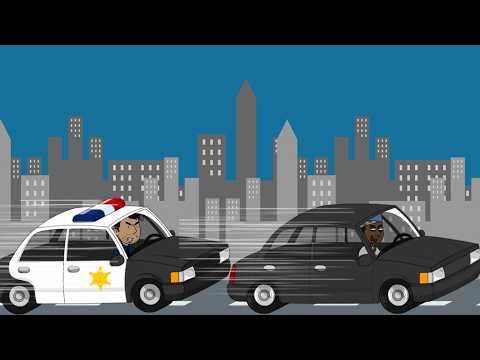
This blog post outlines five common tactics used by police during traffic stops that can lead to serious legal trouble. It emphasizes the importance of knowing your rights, remaining calm, and understanding how to navigate these encounters effectively.
Imagine you're driving home with friends or loved ones when suddenly, you see the red and blue lights flashing behind you. You may feel relaxed because you haven't done anything wrong, but there are several police tactics that could land you in serious trouble. Here are five tricks to be aware of during a traffic stop.
Officers often engage in small talk to elicit admissions of wrongdoing. They may ask where you're coming from or where you're going, not out of genuine interest, but to catch you off guard. For instance, a recent incident in Indianapolis involved an officer using a confrontational attitude to provoke a reaction from a driver. When faced with such tactics, remember that officers are trained to manipulate conversations. Stay calm and do not divulge unnecessary information.
While you have the right to remain silent, it's crucial to explicitly state that you are exercising this right. According to the Supreme Court case Salinas v. Texas, simply remaining silent is not enough; you must inform the officer that you are invoking your right to remain silent. Additionally, in many states, including Indiana, you are required to provide your driver's license and basic identification information. Failing to do so can lead to charges of refusal to identify.
Officers may use your movements inside the car as justification for claiming they feel unsafe. To avoid escalating the situation, keep your hands visible on the steering wheel and announce any movements you plan to make, such as reaching for your registration. If an officer asks you to exit the vehicle, comply without resistance, as they have the legal right to do so. Remember, the phrase "officer safety" gives law enforcement considerable leeway in their actions.
Police often attempt to gain consent to search your vehicle through leading questions. For example, they might ask if there's anything illegal in your car and follow up with, "Then you wouldn't mind me searching it, right?" Regardless of your answer, they can interpret it as consent. To protect yourself, clearly state, "I do not consent to a search." This statement is crucial and should be recorded if possible. If you refuse consent, officers may still search your vehicle under certain conditions, but they must meet specific legal requirements.
Officers may threaten to bring in a drug dog if you refuse to consent to a search. However, they cannot prolong a traffic stop beyond what is reasonable to wait for a drug dog to arrive. If you find yourself in this situation, calmly ask the officer when you will be free to leave. Keep track of the time and record the encounter if possible. If a drug dog arrives, continue to assert that you do not consent to the search and remain calm throughout the process.
Navigating a traffic stop can be daunting, especially when faced with these common police tactics. If you find yourself arrested despite following these guidelines, it is essential to remain calm and seek legal assistance. Remember, how you conduct yourself during these encounters can significantly impact the outcome. Always prioritize your safety and rights, and consider consulting an attorney if you have legal concerns.
By understanding these tricks and knowing your rights, you can better protect yourself during a traffic stop. Stay informed and stay safe.