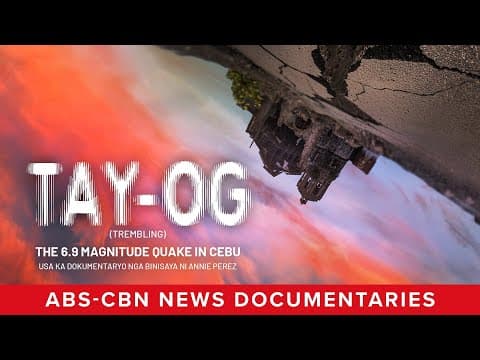
On September 30, a 6.9 magnitude earthquake struck Cebu, Philippines, causing massive destruction, especially in Bogo City and neighboring towns. The quake resulted in over 70 deaths, displaced thousands, and damaged critical infrastructure. The community and government are working together to provide relief and rebuild, embodying the resilient spirit of the Visayan people.
On the night of September 30, a powerful 6.9 magnitude earthquake struck Central Visayas, Philippines, causing widespread devastation across several municipalities. The epicenter was located 17 kilometers north 73 east of Bogo City in Cebu Province. This natural disaster left a profound impact on the region, especially in Bogo City and its neighboring towns.
Just before 10:00 PM, the tremors began beneath the sea near the northern tip of Cebu Island. The earthquake was felt across a vast area, from Quezon and Bicol in Luzon to Zamboanga in Mindanao, but Visayas bore the brunt of the destruction.
In Metro Cebu, the earthquake triggered panic as residents rushed to evacuate, particularly those in tall buildings. Heritage sites, including churches, were not spared from the damage. However, the most severe destruction was in Bogo City, a once vibrant city home to nearly 100,000 people.
Annie Perez, a reporter familiar with Northern Cebu, described the scene in Bogo City as tragic and unrecognizable. The city was brought to its knees, with collapsed houses, toppled buildings, and cracked roads altering the landscape dramatically.
Barangay Polambato in Cebu City, known for its resilience against calamities, suffered significant damage. A whole block in the housing project for survivors of Super Typhoon Yolanda was destroyed, resulting in the deaths of seven people. Many residents were unable to escape in time.
The community, many of whom had rebuilt their lives after Typhoon Yolanda in 2013, faced yet another catastrophe. Clearing operations were ongoing, but the area remained dangerous and inaccessible for retrieving belongings.
Residents recounted the terrifying experience of the earthquake, describing sensations of dizziness, rolling, and falling while trying to protect their children. The force of the quake was likened to waves of the sea.
Bogo City’s City Hall, a vital government building, was severely damaged and rendered unusable. Rescue operations commenced immediately, with authorities struggling to assist the large number of people trapped under rubble. Time was critical in the search for missing persons.
The Cebu Provincial Hospital became a focal point for victims, with many brought in for treatment. The hospital was overwhelmed, and the sight of rows of body bags was heart-wrenching for families seeking their loved ones.
The earthquake’s human toll was deeply felt through personal stories. Alyssa Ho lost her father, who protected his youngest child during the quake but was buried under debris and did not survive.
Shelamer Inso’s mother was trapped alone in her house during the earthquake. Neighbors rescued her from the rubble, but the trauma of the event lingered.
In San Remigio, Jessa Destura mourned the loss of her youngest sibling, Jude, who was trapped under debris at the San Remigio Sports Complex while refereeing a local event. Rescue efforts were complicated by ongoing aftershocks, delaying extraction attempts.
Tragically, three members of the Philippine Coast Guard and one from the Bureau of Fire Protection, who were playing basketball at the time, also lost their lives.
Government reports confirmed at least 70 deaths: 33 in Bogo, 22 in San Remigio, 11 in Medellin, 5 in Tabogon, and one each in Sogod and Tabuelan. Approximately 60,000 families were affected, according to the Cebu Provincial Disaster Risk Reduction and Management Office.
The earthquake was unusual for the region. The last major quake in nearby Bohol in 2013 measured 7.2 magnitude and caused over 200 deaths. The 2023 quake was shallow, only about five kilometers beneath the surface, which contributed to its widespread impact.
PHIVOLCS (Philippine Institute of Volcanology and Seismology) identified the fault responsible as the "Bogo Bay Fault," a fault line that had not produced such a powerful tremor in over 400 years. The fault line extends over one kilometer, with ongoing studies to determine its full length.
The quake caused not only structural damage but also geological changes, including the appearance of approximately fifteen sinkholes in Sitio Sansan, San Remigio. These sinkholes varied in size and posed additional risks to residents.
Despite the destruction, the spirit of the Visayan people shone through. Temporary shelters were set up along roadsides, and many residents chose not to return to their damaged homes due to fear of aftershocks.
Neralyn Montejo, president of the housing project community for Yolanda survivors, described the sleepless nights and anxiety caused by continuous tremors. The government prioritized restoring electricity, water, and repairing critical infrastructure, including the only hospital in Bogo City.
The response to the disaster was a combined effort of government agencies, local government units, and private groups. Relief operations included the distribution of packed and cooked meals, and the establishment of joint operation centers to coordinate efforts.
Volunteers, including earthquake victims themselves, helped repack goods and distribute aid. Kyene, a student from Cebu City, traveled to Bogo City to assist, motivated by gratitude and a desire to help her community.
Other victims contributed by sharing food and drinks from their livelihoods, demonstrating solidarity and resilience.
The earthquake has left many questions unanswered, but the people of Cebu remain determined to rebuild. The Visayan phrase "Padayon," meaning "to keep going," encapsulates their resolve.
Though shaken and brought to their knees, the community is committed to rising again, standing on their own feet, and beginning anew.
This comprehensive account highlights the magnitude of the earthquake’s impact on Cebu, the personal stories of loss and survival, the geological factors involved, and the collective efforts toward recovery. It is a testament to the resilience and unity of the Visayan people in the face of adversity.