
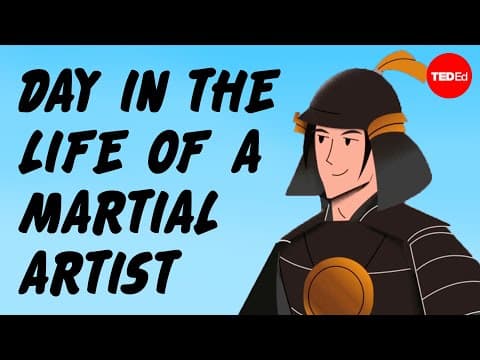
This blog post explores the life of Chu Hong, a young martial artist in 1030 CE China, as he navigates personal challenges, family responsibilities, and the pursuit of martial excellence amidst societal expectations and opportunities.
In the year 1030 CE, the life of a young martial artist named Chu Hong unfolds against the backdrop of a small village in northern China. This narrative captures the essence of his daily struggles, aspirations, and the cultural significance of martial arts during the Song dynasty.
At dawn, Hong is awakened by the hurried footsteps of his best friend, Liang Gao. The local magistrate is organizing a surprise archery competition in a nearby town, presenting Hong with a golden opportunity to showcase his skills. This competition is not just a chance for glory; it represents a potential source of income for his family, who are still grappling with the loss of his father.
As Hong tends to his family’s millet field, his mind is clouded with thoughts of the competition. Upon returning home, he finds that his mother, Lihua, and sister, Zhi, are already aware of the event. Lihua prepares breakfast before returning to her labor with silkworms, a task that consumes her time and energy. The family’s financial situation is precarious, relying on the meager income from farming and Lihua's weaving.
Lihua and Zhi work tirelessly to care for the silkworms, ensuring they are warm and well-fed with mulberry leaves. The silkworms are delicate creatures, and their successful harvest is crucial for the family’s survival. The silk they produce is sold to create fine cloths, which they themselves will never wear. Hong feels the weight of responsibility to provide hope and stability for his family.
Determined to improve his skills, Hong heads off to train with his martial arts teacher, Li Qiangbiang. Once an imperial soldier, Qiangbiang now dedicates his life to teaching martial arts in their village. The region, while relatively peaceful since the establishment of a treaty with the Liao dynasty, remains vigilant against potential raids and banditry. The village maintains a local militia composed of conscripted townspeople, emphasizing the importance of martial readiness.
Hong’s father was his first martial arts instructor, teaching him the fundamentals of spear fighting, wrestling, and archery—the most vital skill of all. Under Qiangbiang’s guidance, Hong has become the most dedicated student, pushing himself to excel.
As the magistrate arrives, Hong and Qiangbiang prepare for the competition. The atmosphere is charged with excitement as spectators gather. The magistrate sets up a target and places a piece of silver on it, announcing that anyone who hits the target can keep the silver. One by one, young men take their shots, but none succeed until it is Hong’s turn.
With the composure instilled in him by his father, Hong draws his bow and strikes the target, earning cheers from the crowd. He continues to hit the target, securing not only the silver but also the attention of the magistrate, who offers him a position in the provincial army with a regular salary. This opportunity could transform Hong’s life, allowing him to support his family and provide a dowry for his sister.
Without hesitation, Hong accepts the offer, realizing that this decision will change the course of his life. As he walks home with Gao, he reflects on the journey ahead, knowing they will part ways—Gao will continue farming while Hong embarks on advanced martial arts training. The prospect of joining the imperial army and possibly moving to the bustling capital city of Kaifeng fills him with hope.
At home, the Chu family gathers for a celebratory dinner. Hong’s heart swells with emotion as he contemplates the secure future he can now provide for his family, wishing he could take them along on his new journey.
The story of Chu Hong is a poignant reminder of the intertwining of personal ambition, family duty, and cultural heritage in medieval China. As he steps into a new chapter of his life, Hong embodies the spirit of resilience and hope that defines the human experience, particularly in times of hardship and change.



















