A massive and mysterious explosion at Cuba's key Nikico Lopez oil refinery has crippled the island's critical oil processing capability amid severe fuel shortages and a U.S.-imposed de facto blockade. This incident comes as the U.S. intensifies pressure on the Cuban communist regime, with speculation about CIA involvement. Russia has indicated attempts to break the blockade, but Cuba's future remains uncertain.
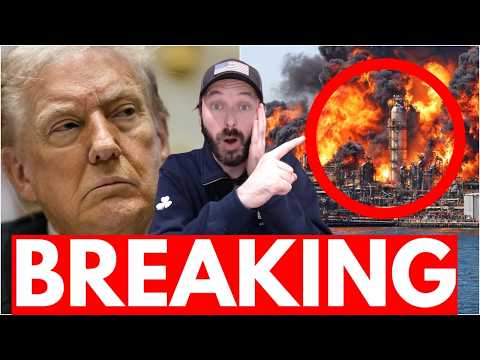
On February 14th, a significant and mysterious explosion rocked Cuba, targeting one of its most critical infrastructure points: the Nikico Lopez oil refinery in Havana. This facility, one of the largest and oldest on the island, plays a vital role in processing oil to fuel Cuba's economy and maintain the communist dictatorship's grip on power.
The explosion caused a massive fire that engulfed the refinery, effectively putting it out of commission. Video footage shows an enormous blaze and thick smoke, highlighting the extent of the damage. This refinery was the primary facility capable of processing oil imports, and its destruction comes at a time when Cuba is already facing severe fuel shortages.
Reports indicate that Cuba has only days or possibly up to two weeks of oil reserves left. The loss of this refinery means the island's ability to process and distribute fuel has been critically compromised, threatening the stability of the government and the daily lives of its citizens.
This incident occurs amid heightened U.S. pressure on Cuba. Under President Donald Trump's administration, the United States has effectively instituted a de facto blockade, preventing oil shipments from reaching the island. This blockade aims to force the communist dictatorship to step down by cutting off essential resources.
Previously, Mexico had planned to send oil to Cuba, but after diplomatic pressure from the U.S., they withdrew their support. Even if Mexico had proceeded, the destruction of the Nikico Lopez refinery means there is no facility to receive and process the oil.
President Trump had publicly stated that Cuba relied heavily on oil and financial support from Venezuela in exchange for security services. However, recent U.S. military actions have weakened Venezuela's regime, and the U.S. now offers protection to Venezuela, cutting off Cuba's vital support.
The cause of the explosion remains unknown. Some speculate it could have been an accident, while others suggest it might have been a covert intelligence operation, possibly involving the CIA, given the timing and strategic impact. Similar mysterious explosions have been reported in Iran, targeting critical infrastructure and government-related sites.
While there is no concrete evidence linking the CIA or any other entity to the explosion, the circumstances raise questions about whether this was a deliberate act to destabilize the Cuban regime.
In response to the U.S. blockade, Russia has indicated intentions to supply oil to Cuba, attempting to break the blockade. There have been reports of Russian planes landing in Cuba, possibly carrying weapons such as drones and air defense systems to bolster Cuba's defenses.
However, the effectiveness of Russian support remains uncertain. Cuba's air defenses are considered weak, as demonstrated by the U.S. military's success in Venezuela despite their stronger defenses.
U.S. Senator Marco Rubio, speaking in Munich, Germany, highlighted the fundamental problem in Cuba: the dictatorship's refusal to relinquish control or allow economic prosperity. He emphasized that the Cuban leadership prioritizes maintaining power over improving the lives of its people, rejecting opportunities for reform.
Rubio's comments underscore the challenges facing Cuba's future, suggesting that the regime is likely to cling to power despite worsening conditions.
Cuba is facing a critical breaking point. The destruction of its only major oil refinery, combined with the U.S. blockade and dwindling resources, has left the island in a precarious position. Airlines have already reported shortages of jet fuel, limiting flights to and from the country.
The Cuban government now has no viable means to import or process oil, effectively crippling its economy and infrastructure. Without significant external support or a change in leadership, the regime's survival is in serious jeopardy.
The mysterious explosion at the Nikico Lopez refinery marks a pivotal moment in Cuba's ongoing crisis. Whether an accident or a covert operation, the impact is undeniable: Cuba's ability to sustain itself is severely compromised.
With U.S. pressure intensifying and Russia's uncertain support, the coming days will be critical in determining Cuba's fate. The dictatorship faces immense challenges, and the possibility of significant political change looms on the horizon.
Readers are encouraged to consider the implications of these events and share their thoughts on the potential causes and outcomes of this crisis.