
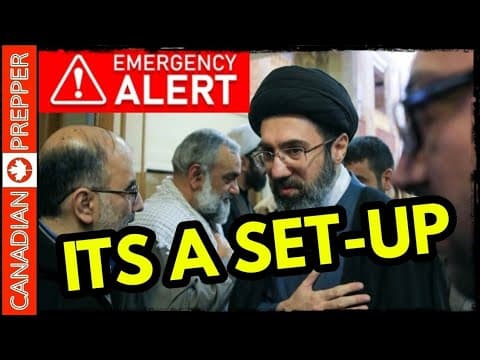
A recent ceasefire between Iran and Israel has temporarily averted a potential global economic crisis, but the situation remains fragile and suspicious. Both sides have made concessions, yet underlying tensions and strategic maneuvers suggest this pause is a setup for future escalations. Key issues include control over the Strait of Hormuz, Iran's nuclear ambitions, and the involvement of global powers like China and the US.
In a rare moment of respite amid escalating tensions, a ceasefire has been declared between Iran and Israel, offering a brief but significant pause in hostilities. This development has brought a sense of relief to many, as it potentially averts one of the largest global economic crises in recent history. However, this ceasefire is laden with caveats and suspicions, suggesting that it may be a strategic move rather than a genuine step towards lasting peace.
The ceasefire comes after intense military actions, including the destruction of critical infrastructure and the use of human shields by Iran to protect key targets. The conflict has seen special forces operations inside Iran, with contested objectives ranging from rescuing a pilot to possibly capturing enriched uranium or high-value individuals.
Despite the ceasefire, sporadic aftershocks of violence continue due to Iran's decentralized command structure. The agreement primarily entails a halt in attacks on Iran's power plants and a temporary cessation of hostilities, with Iran maintaining control over the Strait of Hormuz and charging tolls for ships passing through.
Notably, influential conservative voices who previously supported hardline stances have shifted their tone, advocating for peace. This shift indicates a broader change in public sentiment and political calculations, as the war has become increasingly unpopular even among staunch supporters.
Iran has presented a 10-point proposal as a basis for negotiations, which includes:
The United States has not agreed to these demands, particularly rejecting uranium enrichment and the withdrawal of military bases. The US and its allies view these terms as non-starters, and the ceasefire is seen more as a tactical pause than a resolution.
The ceasefire appears to be brokered with China's involvement, potentially positioning China as a strategic arbiter in the region. Russia's dual allegiances complicate its role, while Pakistan's alignment with Saudi Arabia limits its influence over Iran.
Iran's control over the Strait of Hormuz is a critical leverage point, as approximately 138 ships pass through daily, generating significant revenue through tolls. This control challenges US dominance over maritime corridors and regional influence.
Following the ceasefire announcement, oil prices have dropped significantly, with a 14% decrease noted and potential for further decline. However, logistical bottlenecks and capped oil wells suggest that supply shocks may persist.
The conflict has revealed the robustness of Iran's mosaic command structure and its ability to endure and adapt to military pressures. The use of human shields by Iran has complicated military operations and influenced the decision to pause attacks.
There is speculation about Iran's potential possession of nuclear weapons and advanced tactics, including EMP or cyber warfare capabilities, which could dramatically alter the conflict's dynamics.
The ceasefire creates a ripe environment for false flag events, which could be used to regain moral high ground and justify renewed aggression. Cyber attacks are a likely candidate due to their difficulty in attribution.
While the ceasefire offers a temporary reprieve and a chance to avoid immediate humanitarian disasters, it is unlikely to mark the end of hostilities. Both sides appear to be using this pause to regroup and prepare for future escalations.
The international community must remain vigilant, as the situation remains volatile with significant geopolitical and economic stakes. Preparing for potential fuel shortages and monitoring developments closely will be essential in the coming weeks.
Let us hope that this ceasefire can pave the way for genuine negotiations and lasting peace, but history and current indicators suggest that the conflict is far from over.



















