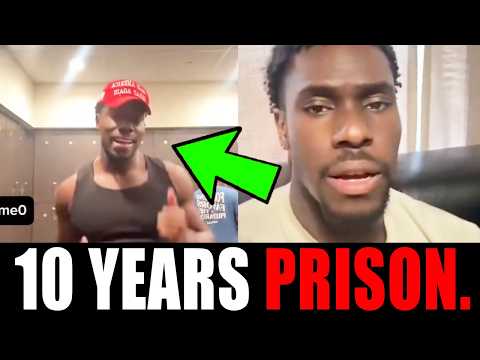
A TikToker spent months pretending to be a Trump supporter, scamming $30,000 from MAGA followers before publicly admitting the fraud. The admission backfired, leading to widespread criticism and a quick retraction claiming it was all a joke. This incident highlights the risks and consequences of online scams and the importance of accountability.
The world of social media is no stranger to scams and controversies, but a recent incident involving a TikToker who pretended to be a Trump supporter has taken the concept of instant karma to a new level. This individual spent months building trust within the MAGA community, collecting money under false pretenses, only to publicly admit to the scam in a video that quickly backfired.
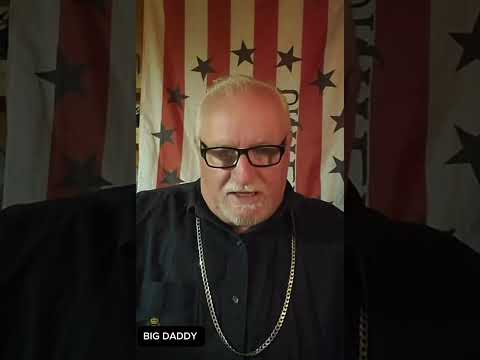
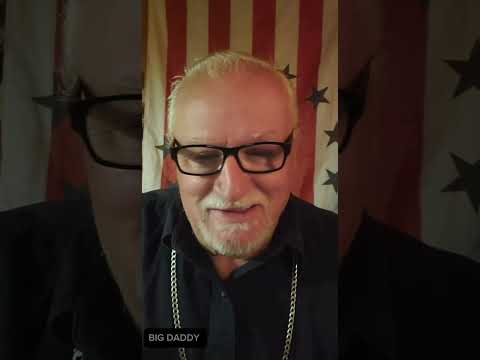
The TikToker crafted a fake MAGA persona, sharing stories and building a platform that attracted followers and financial support. After months of this charade, he released a video boasting, "I scammed MAGA out of 30 bands," referring to $30,000. He expressed pride in his actions, even making disparaging remarks about conservative figures like Charlie Kirk.
This admission was intended to be his moment of triumph, a way to gain notoriety and perhaps the admiration of like-minded individuals on the left. However, the reaction was far from what he expected.
Instead of admiration, the TikToker faced widespread condemnation. Many viewed his actions as not only morally reprehensible but also legally questionable. The public and victims of the scam were outraged, and the video became a clear confession of fraud.
The scam involved soliciting money through deception, fake identities, and fabricated stories, which legally constitutes fraud. The TikToker's boastful admission made it impossible to deny the wrongdoing.
Less than 24 hours after the reveal, the TikToker attempted to backtrack. He claimed that the entire scam was satire and that he never actually received any money. According to him, it was all a joke intended to go viral, and he was merely playing a character.
This explanation was met with skepticism and disbelief. The personal nature of his comments, the mockery of victims, and the detailed admission of scamming made the "just a joke" defense unconvincing to most observers.
The TikToker's actions reflect a lack of foresight and understanding of the consequences of online fraud. His attempt to gain fame through deception not only failed but also exposed him to potential legal repercussions.
The $30,000 he claimed to have scammed likely came from numerous small donations, spreading the financial harm across many individuals. While the amount is significant, it is not enough to justify the risk and damage caused.
Moreover, the TikToker's behavior, including mocking victims and making offensive remarks, further damaged his credibility and public image.
This incident serves as a cautionary tale about the dangers of online scams and the importance of accountability. It also highlights how social media platforms can be exploited for fraudulent purposes and the need for vigilance among users.
The rapid unraveling of the TikToker's scheme demonstrates that public exposure and backlash can occur swiftly, especially when fraud is admitted openly.
The TikToker's fraudulent scheme targeting MAGA supporters ended in a spectacular failure within 24 hours of his public confession. His attempt to turn the scam into a viral moment backfired, leading to widespread criticism and a forced retraction.
This case underscores the risks associated with online deception and the inevitable consequences that follow. It also reminds us of the importance of critical thinking and caution when engaging with online personalities and fundraising efforts.
While the TikToker may face legal and financial consequences, the incident provides a valuable lesson for both content creators and audiences about integrity, honesty, and the repercussions of unethical behavior in the digital age.