This blog post recounts a personal experience of dealing with emergency services after a car accident in the US, highlighting the inefficiencies and challenges faced during such incidents, and comparing it to experiences in Russia.
In recent weeks, the United States has witnessed two tragic aviation accidents, one in Washington resulting in 67 fatalities and another in Philadelphia with seven deaths and 19 injuries. While the causes of these tragedies are not the focus of this discussion, they highlight the critical role of emergency services in times of crisis.
Having never been involved in an aviation accident, I can only share my experiences with car accidents. Unfortunately, I have been in several car accidents, and my encounters with police, firefighters, and medical personnel have left me with mixed feelings about their effectiveness and compassion towards victims.
I was fortunate to survive a serious car accident, but the aftermath was far from reassuring. On the night of the accident, I found myself in a precarious situation, nearly freezing as I awaited help. The response from emergency services was overwhelming in numbers but lacking in coordination and urgency.
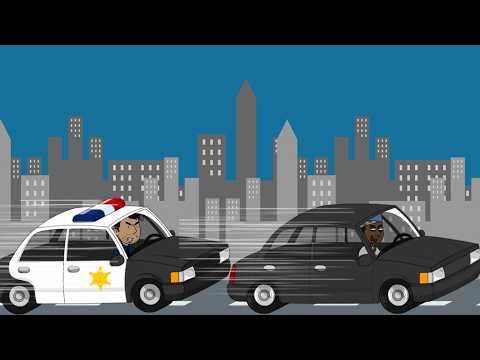
In the US, it is common for multiple emergency vehicles to arrive at the scene of an incident. Fire trucks, ambulances, and police cars flood the area, creating a chaotic environment. However, I observed that instead of working together, these services often hindered one another, shifting responsibility rather than taking decisive action.
For instance, I witnessed a situation in Miami where a man was drowning. Despite the presence of numerous emergency vehicles, no one took immediate action until a civilian surfer jumped in to save him. This incident exemplifies the disconnect between the presence of emergency services and their actual effectiveness in saving lives.
Reflecting on my experiences in Russia, I found that the response to car accidents there seemed more attentive and compassionate. Even in severe cases, I felt that I received more immediate help and understanding from the authorities.
After my own accident in the US, I was left sitting outside in the cold, with little assistance. The police told me to wait until the road was cleared, leaving me feeling abandoned. I had only two blankets for warmth, and my food was locked inside my damaged vehicle. The only help I received was a bandage for my injured arm, which felt inadequate given the circumstances.
As I sat there, I realized that the emergency services were not equipped to provide the necessary support for victims in distress. I was left to fend for myself, feeling like a burden rather than a person in need of help. The lack of urgency and care from the responders was disheartening, especially when compared to my experiences in Russia, where there seemed to be a greater emphasis on victim support.
The experiences I have shared highlight a significant issue within the emergency response system in the US. While the presence of emergency services is crucial, their effectiveness can often be compromised by poor coordination and a lack of empathy towards victims. I encourage readers to reflect on their own experiences and share their thoughts on how emergency services can improve in providing timely and compassionate care to those in need.