
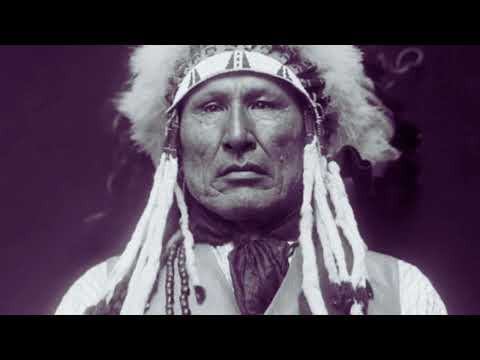
This blog post explores the aftermath of the Battle of Little Big Horn, focusing on the Northern Cheyenne's experiences, particularly through the eyes of Wooden Leg, a Cheyenne warrior. It details their struggles, cultural practices, and the eventual surrender to U.S. forces, highlighting the complexities of their lives during this tumultuous period in American history.
On June 25, 1876, George Armstrong Custer faced his final battle against an overwhelming force of Lakota and Cheyenne warriors at the Little Big Horn. The aftermath of this battle not only shook the surviving troops but also reverberated throughout the nation, which was preparing to celebrate its centennial. The defeat of Custer, a celebrated hero, at the hands of what many referred to as savages, led to swift repercussions, including the end of the Great Sioux War within a year.
As General Terry arrived two days after the battle, he found that the victorious warriors had already dispersed. The Cheyenne, led by Wooden Leg, moved swiftly, gathering their people and hunting for sustenance. On the afternoon of July 26, as the troops on Reno Hill fought for their lives, a large column of soldiers approached. Initially, many younger warriors wanted to engage, but the wise counsel of leaders like Wooden Leg led to a retreat.
The Northern Cheyenne spent the summer living off the land, hunting and gathering. Wooden Leg recalls their travels up the Powder River, where they found ample game and grass for their horses. This period of relative abundance allowed them to thrive, despite the looming threat of U.S. forces.
Wooden Leg provides a unique perspective on Cheyenne life. At the young age of 14, he joined the Elk Warrior Society, one of several warrior groups responsible for both military and policing duties within the tribe. These groups ensured order during migrations and were authorized to enforce discipline, albeit without lethal force.
The Cheyenne primarily relied on buffalo for sustenance but also hunted elk, deer, and smaller game. Their burial practices differed from other tribes; they buried their dead in hillside cracks or caves, avoiding the use of scaffolds. Marriage customs were also unique, with no formal ceremonies required, and polygamy was common, often involving sisters to reduce jealousy.
As the Northern Cheyenne enjoyed their summer, they were unaware of the impending disaster that struck their village. While Wooden Leg and others were away, U.S. soldiers attacked, leading to significant losses. The Cheyenne sought refuge with the Lakota, who provided them with food and shelter.
In early 1877, after a series of skirmishes, the Cheyenne faced a difficult decision: to surrender or continue fighting. Promises of good treatment and no punishment for past actions led many, including respected leaders like Little Wolf, to choose surrender. However, Wooden Leg hesitated, opting to continue hunting and traveling with a small group.
Eventually, Wooden Leg and his group decided to surrender, joining his family at the Red Cloud Agency in Nebraska. Initially, conditions were favorable, with promises of food and supplies. However, this honeymoon phase quickly ended as the Cheyenne were forcibly relocated to a different reservation in Indian Territory, far from their homeland.
The conditions in Oklahoma were dire. The Cheyenne faced inadequate supplies, disease, and loss of life. Wooden Leg's father succumbed to these hardships, and after six years, the Northern Cheyenne were given the option to return north to a new reservation in Montana.
Upon returning to Montana, Wooden Leg became a scout for the Army, a role that placed him at the Wounded Knee Massacre in 1890. He expressed regret over the conflict but felt compelled to assist his people. Despite the complexities of his position, he maintained a connection to his Cheyenne heritage, often reflecting on the cultural practices and beliefs that shaped his life.
Wooden Leg and his wife had two daughters, both of whom attended a mission school. Tragically, both daughters fell ill and passed away, leading Wooden Leg to question the suitability of white educational practices for Native children. He believed that Indian children needed more freedom and connection to their cultural roots.
Despite the losses he endured, Wooden Leg lived a long life, receiving a pension for his service and eventually becoming a tribal judge. He used his resources to help less fortunate families within the tribe, embodying the spirit of community and resilience.
In his later years, Wooden Leg reflected on his experiences, including a visit to Washington D.C. and a baptism into Christianity. He maintained a deep connection to his Cheyenne beliefs, often praying in the traditional manner.
Wooden Leg passed away in 1940, leaving behind a legacy that highlights the resilience and adaptability of the Northern Cheyenne people in the face of overwhelming adversity. His story serves as a reminder of the complexities of Native American history and the enduring spirit of those who lived through it.



















