This blog post addresses the recent Air India tragedy involving a Boeing 787, clarifying misinformation spread by media regarding the cause of the crash. It discusses the confirmed fatalities, the recovery of black boxes, and the technical aspects of the aircraft's operation during takeoff, emphasizing the absurdity of the claims made about pilot error and seat malfunction.
The recent tragedy involving an Air India Boeing 787 has sparked widespread media coverage, much of which has been based on false information. This blog post aims to clarify the facts surrounding the incident, including the confirmed fatalities, the recovery of crucial flight data, and the technical operations of the aircraft during takeoff.
As of now, there have been 279 confirmed fatalities from the crash, with 40 of those victims being individuals who were in buildings struck by the aircraft. This incident is being classified as one of the worst aviation tragedies in recent years, particularly due to its impact on a university housing complex.
In the aftermath of the crash, authorities have successfully recovered both black boxes from the aircraft. These devices are essential for understanding the events leading up to the tragedy, as they contain recordings of cockpit conversations and technical data from the flight.
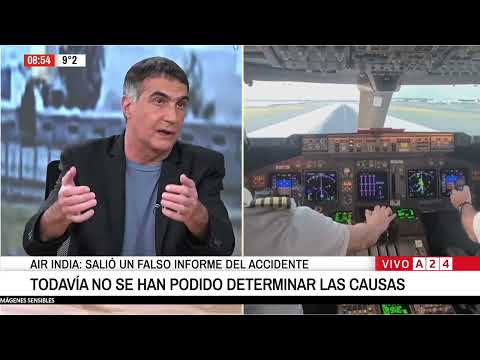
In the wake of the tragedy, various media outlets circulated a preliminary report that was entirely false. This report suggested that the pilot had experienced a seat malfunction, causing him to lose control of the aircraft. Such claims are not only unfounded but also demonstrate a lack of understanding of aviation protocols.
The misinformation claimed that the pilot's seat had moved backward unexpectedly, leading to a situation where the pilot could not control the aircraft. However, this scenario is highly improbable. The seats in modern aircraft, including the Boeing 787, are equipped with electric controls that allow for precise adjustments. Furthermore, during takeoff, pilots are trained to maintain their hands on the controls, ensuring they can respond to any emergencies.
During the takeoff phase, pilots engage the autothrottle system at speeds of 40 to 60 knots. This system automatically adjusts the throttle to maintain the desired speed, allowing pilots to focus on controlling the aircraft. Once the aircraft reaches a critical speed known as V1, pilots must remove their hands from the throttle to prepare for takeoff. This procedure is crucial because, after V1, the aircraft cannot be safely stopped on the remaining runway.
The idea that a pilot would grab the throttle in a moment of crisis, as suggested by some reports, is nonsensical. Pilots are trained to prioritize control of the aircraft, and any sudden movements or distractions could lead to catastrophic consequences. The claims made in the media about the pilot's actions during takeoff are not only misleading but also demonstrate a fundamental misunderstanding of aviation safety protocols.
While the initial reports focused on the seat malfunction, other hypotheses have emerged, including potential human error. However, without concrete evidence from the recovered black boxes and further investigation, it is premature to draw conclusions about the cause of the crash.
The technical data retrieved from the black boxes will be vital in determining what went wrong during the flight. Investigators will analyze the aircraft's configuration, including the position of the flaps and landing gear, to understand the circumstances leading to the loss of control. The Boeing 787 is known for its reliability, and any findings will be crucial for the manufacturer and the aviation industry as a whole.
The Air India tragedy is a somber reminder of the complexities of aviation and the importance of accurate reporting. As investigations continue, it is essential to rely on verified information rather than sensationalized claims. The recovery of the black boxes will provide critical insights into the incident, helping to prevent similar tragedies in the future.
In the meantime, it is crucial for media outlets to exercise caution and responsibility in their reporting, especially in the wake of such devastating events.