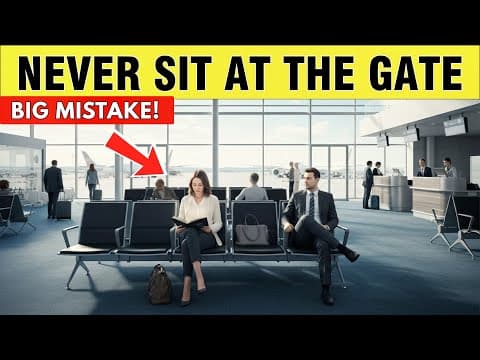
Airports and airlines employ various subtle tactics to influence passenger behavior and increase profits, from charging for exit row seats and behavioral screening by TSA to gate agent commissions and predictive seat cancellations. Understanding these strategies can help travelers navigate airports smarter, avoid unnecessary fees, and assert their rights effectively.
You walk into the airport thinking you understand how it works: tickets, lines, boarding passes, and the usual chaos. But behind the scenes, airlines and airports operate a complex system designed to outsmart passengers before they even reach their gate. This system is filled with tricks, triggers, and quiet traps that can determine whether your journey is smooth or costly.
In 2025, the airport experience is more than just a place; it’s a system that tests your patience, wallet, and instincts. Once you learn to read its moves, your travel experience will never be the same.
The emergency exit row offers the most legroom and comfort without spending a fortune. However, airlines have monetized this space heavily. For example, American Airlines charges up to $95, and Delta up to $165 for these seats.
Flight attendants revealed that these seats are not assigned randomly. They look for passengers who appear cooperative, calm, and confident. Being friendly, relaxed, and even humorous when checking in can increase your chances of being assigned an exit row seat.
A psychological tip: when requesting a seat change, use the word "because" to justify your request, such as "Could I switch to the exit row because my legs are long?" This increases the likelihood of approval.
If denied, sitting near the exit row can help, as flight crews sometimes seek replacements if the assigned passenger is unfit to assist.
While passengers focus on bins and belts at security, TSA officers observe behavior closely. Using programs like SPOT (Screening Passengers by Observation Techniques), TSA agents look for stress indicators such as sweating, yawning, or unusual posture.
Despite the lack of scientific proof for these methods, TSA continues to use behavioral analysis, often without oversight, leading to inconsistent and sometimes biased targeting.
To avoid extra screening, don’t fake calmness or innocence. Instead, maintain relaxed body language, steady breathing, and a polite but brief tone. Acting natural is the best defense.
Gate agents scan the crowd long before boarding begins, looking for oversized or suspicious carry-on bags. They mentally bookmark passengers with bulky bags to stop them mid-boarding and charge fees.
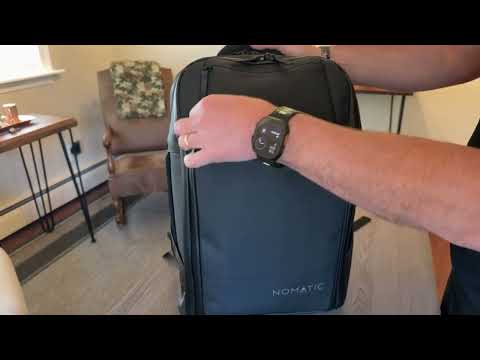
To avoid being singled out, keep your bag low by your legs or under your arm, avoid flashy colors or patterns, and opt for soft duffles or backpacks that blend in better than hard suitcases.
Budget airlines like Spirit and Frontier incentivize gate agents with commissions ($5 to $10) for flagging oversized personal items or carry-ons. This explains why gate agents can be strict or insistent about bag sizes.
At the gate, passengers have little power to dispute fees or repack, making it a lucrative enforcement point for airlines.
Choosing compact, minimalist bags with soft edges and dark fabrics can help avoid triggering these fees.
Offering to test your bag in the sizing box voluntarily can backfire. Once you do, agents can claim your bag doesn’t fit and charge you $60 to $100 to check it, even if it’s only slightly over the limit.
The smarter approach is to avoid volunteering your bag for inspection unless required. Test your bag discreetly in a quiet area and adjust your packing if needed.
Some travelers use clothing with hidden compartments to carry extra items, protecting themselves from unexpected fees.
Airlines often announce incremental delays (30 minutes, then 1 hour, then 2 hours) instead of the full delay upfront. This tactic keeps passengers calm, seated, and less likely to demand refunds or rebookings.
Apps like Flight Radar 24 or FlightAware can help you track your plane’s actual location and verify if the delay announcements are accurate.
Understanding this psychology helps you regain control and avoid being held hostage at the gate.
Some airlines, like American Airlines, use software (Aura) that predicts if a passenger will miss a connection and cancels their seat before they even arrive at the gate.
This can leave passengers stranded despite being on time. Other airlines, like United, use systems that hold flights longer to accommodate connecting passengers.
If you are removed from a flight predictively, ask for compensation for involuntary denial of boarding, which can include hotel, meal, or cash vouchers.
When flights are canceled, airlines often offer travel credits instead of cash refunds. These credits usually have strict expiration dates, are non-transferable, and may include service fees when used.
Passengers who accept credits risk losing their money if they don’t use them in time or if the credit terms reset with new bookings.
Under US Department of Transportation rules, passengers are entitled to cash refunds for canceled or significantly delayed flights. Always insist on a refund if you prefer cash over credits.
The airport is a maze of systems designed to test your awareness at every turn. From exit row seat assignments and TSA behavioral scans to gate agent commissions and predictive cancellations, airlines have refined tactics to tilt travel in their favor.
However, knowledge is power. By understanding these secrets, you can travel smarter, avoid unnecessary fees, and assert your rights effectively. Next time you enter an airport, you’ll do so with the confidence of someone who knows exactly what’s happening behind the scenes.
Share these insights with fellow travelers to help them avoid common pitfalls and navigate air travel more wisely in 2025 and beyond.