Airlines have recently banned several common items due to safety concerns, particularly related to fire risks. Key items include cordless hair styling tools, power banks, and powdered substances over 12 ounces. Travelers should be aware of these restrictions to avoid delays and confiscations at security checkpoints. This post outlines the reasons behind these bans and offers tips for compliant packing.
Traveling can be stressful, especially when new rules and regulations come into play. Recently, airlines and airports have prohibited several items that many travelers commonly pack. This blog post will explore these new travel rules, the reasons behind them, and how you can still travel with some of these items legally to avoid delays at security checkpoints.
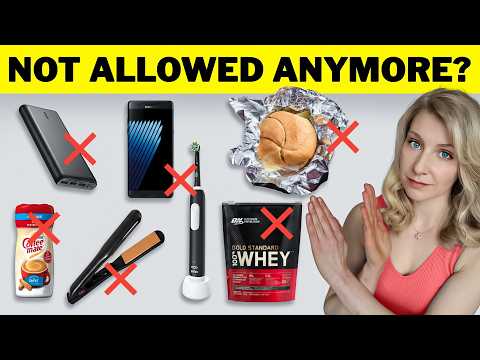
One of the most talked-about bans is on cordless hair styling tools, including wireless curling irons, flat irons, and hair straighteners that operate on gas cartridges or lithium batteries. These items are now prohibited from checked luggage due to safety concerns. The primary reason for this ban is that these devices have been known to cause fires on planes. Lithium batteries can overheat through a process called thermal runaway, while butane cartridges can explode at high altitudes.
You can still bring these hair tools, but they must be packed in your carry-on luggage and should have a safety cover over the heating element. Importantly, spare gas cartridges are completely banned from both checked and carry-on luggage. If you prefer to avoid complications, consider using regular plug-in styling tools instead.
In a surprising move, Southwest Airlines has become the first U.S. carrier to ban power banks and portable chargers from being stored in overhead bins. These items must remain at your seat where the flight crew can monitor them. This decision follows a serious incident on an Airbus flight where a power bank caught fire in an overhead bin, injuring 27 passengers.
While Southwest is the first U.S. airline to implement this ban, international carriers like Emirates and Singapore Airlines already have similar restrictions. Travelers should stay informed about airline news, as this trend may become standard across the industry.
The Federal Aviation Administration (FAA) has reported a staggering 89 lithium battery incidents on flights in 2024 alone, marking a 388% increase since 2015. These incidents include devices smoking, overheating, and catching fire mid-flight. As a result, the TSA is tightening regulations on devices with lithium batteries that lack clear labeling.
Ensure that all devices you plan to pack clearly display the battery type and watt-hour capacity. Common items like phones, laptops, and even electric toothbrushes can be affected. If any device lacks this information, consider leaving it at home to avoid confiscation.
Travelers who carry powdered substances should be aware of new restrictions. Any powdered substance over 12 ounces in your carry-on is subject to additional screening and potential confiscation. This includes items like protein powder, greens powders, and even large containers of powdered coffee creamer.
To avoid delays, transfer your powders into smaller containers under 12 ounces or pack them in your checked luggage, where size restrictions do not apply. This will help you pass through security more smoothly.
While solid foods like sandwiches and fruit are generally allowed through security, certain homemade snacks wrapped in foil or packed in non-transparent containers are facing increased scrutiny. These items can appear suspicious on X-ray machines, leading to additional screening or confiscation.
To ensure your homemade snacks pass through security without issues, pack them in clear, transparent containers and avoid foil wrapping. Be prepared to explain what your food items are if they raise any questions during screening.
A notable and ongoing ban is on the Samsung Galaxy Note 7, which is prohibited from all commercial flights. This ban is due to nearly 100 documented incidents of the device's batteries overheating, catching fire, or even exploding. The Note 7 is classified as a hazardous material under federal law, and attempting to board with one can lead to confiscation and potential legal consequences.
The common thread among these bans is the aviation industry's heightened concern over in-flight fires. Whether it’s hair tools, power banks, or suspicious food items, the risks associated with these items have prompted stricter regulations. To ensure a smooth travel experience, always check the TSA's "What Can I Bring" page and stay updated on airline news that may affect your journey.
For a hassle-free packing experience, consider downloading a packing list that outlines what you should and shouldn't bring on the plane. Happy travels, and stay informed to avoid any surprises at the airport!