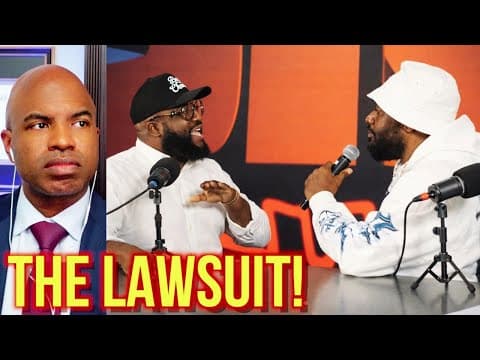
Anton Daniels' family has filed a defamation lawsuit against comedian Corey Holcomb, alleging false light, defamation, intentional infliction of emotional distress, and unauthorized commercial use of a minor's image. The suit centers on offensive remarks and a t-shirt depicting Anton's daughter and wife as apes, raising complex legal and ethical issues.
In a surprising development within the YouTube and entertainment community, the Daniels family has filed a defamation lawsuit against comedian Corey Holcomb and his 5150 Show. The lawsuit, filed in February in Los Angeles, California, alleges multiple claims including defamation, false light, intentional infliction of emotional distress, and violation of California Civil Code section 3344 concerning unauthorized commercial use of a minor's image.
This article provides a comprehensive overview of the lawsuit, the allegations, the legal context, and the potential implications for all parties involved.
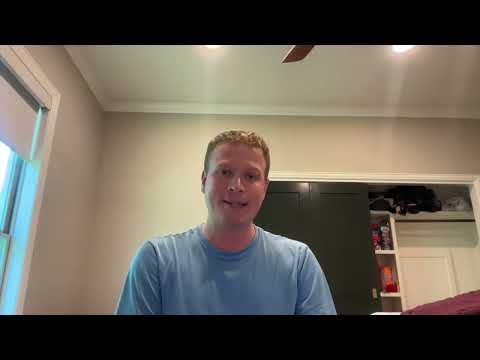
The conflict began publicly in January when Anton Daniels, father of Leslie Daniels and husband of Sharita Daniels, appeared on Corey Holcomb's 5150 Show. The discussion quickly escalated into a heated exchange with provocative remarks.
Following this, Corey Holcomb aired a broadcast showing an unblurred photograph of Leslie Daniels, who was 17 years old at the time, accompanied by disparaging and offensive statements, including homophobic slurs. Subsequently, Holcomb displayed and sold a t-shirt depicting Leslie and Sharita Daniels as apes, a deeply racist and dehumanizing trope with historical connotations.
The Daniels family alleges that these actions caused severe emotional distress to Leslie and Sharita and that Corey profited commercially from the use of Leslie's image without consent.
The Daniels family claims that Corey Holcomb made false and damaging statements about Leslie Daniels, including calling her a "dyke," a homophobic slur, which is false as Leslie is heterosexual. This constitutes defamation per se, where damages are presumed due to the nature of the statement.
False light claims assert that Leslie was portrayed in a highly offensive and false manner, particularly through the sexualized and derogatory context in which her image and character were presented.
The t-shirt depicting Leslie and Sharita Daniels as apes is alleged to be a racist and dehumanizing image that cannot be justified as satire or humor. The plaintiffs argue this depiction is defamatory and has caused further emotional harm.
The plaintiffs allege that Corey Holcomb's conduct was extreme, outrageous, and done with malice, causing severe emotional distress to Leslie and Sharita. This includes the public use of degrading language and the commercial exploitation of Leslie's image.
This claim concerns the unauthorized commercial use of Leslie's photograph, a minor, without parental consent. The law prohibits using a minor's image for commercial gain without permission, and the plaintiffs assert that Corey violated this by monetizing the broadcasts and merchandise.
Leslie Daniels is considered a private figure, which means the standard for proving defamation is negligence rather than actual malice. Sharita Daniels may be considered a limited purpose public figure due to her appearances on Anton's show.
Corey Holcomb is expected to argue that his statements are protected under the First Amendment as comedic or satirical speech. He may file an anti-SLAPP (Strategic Lawsuit Against Public Participation) motion to dismiss the case early, claiming the lawsuit impinges on his free speech rights.
The plaintiffs seek compensatory damages for emotional distress, medical expenses, and potential lost opportunities, punitive damages to punish the defendants, attorney's fees, and injunctive relief to remove the offensive content.
This lawsuit highlights the complex intersection of free speech, online content creation, and the protection of minors from defamatory and exploitative conduct. It raises important questions about the responsibilities of content creators, especially when monetizing content involving private individuals, particularly minors.
The Daniels family's lawsuit against Corey Holcomb is a significant case that underscores the legal and ethical boundaries in digital content and public discourse. As the case progresses, it will be closely watched for its implications on defamation law, free speech, and the rights of minors in the digital age.
Note: This article is for informational and educational purposes only and does not constitute legal advice. Individuals involved in similar situations should consult a qualified attorney.
Thank you to all the community members and content creators who have contributed to the discussion and provided insights into this ongoing matter.