Ashton Kutcher's journey from a small-town model to a Hollywood star and tech investor is marked by multiple reinventions and complex associations. While he achieved success in entertainment and activism, his connections to controversial figures and incidents have sparked public scrutiny and speculation, culminating in significant backlash and a reevaluation of his public persona.
Ashton Kutcher is a celebrity known for his multiple reinventions—from a model to a sitcom star, a prank show host, a tech investor, and an activist. However, beneath the surface of his polished public image lies a web of complex relationships and controversies that have led to public scrutiny and speculation.
Born Christopher Ashton Kutcher in Cedar Rapids, Iowa, Ashton grew up in a working-class family with no industry connections. A significant part of his early life was shaped by his twin brother Michael's severe health issues, including a heart transplant. This experience influenced Ashton deeply, instilling feelings of guilt and protection.
His transformation began in the late 1990s when he was discovered at a local bar and entered the modeling world. He quickly became the face of major brands like Calvin Klein and Abercrombie & Fitch. These brands sold not just clothes but a hypersexualized lifestyle of American youth culture, crafted to be provocative and aspirational.
Abercrombie & Fitch, owned by Les Wexner, was part of a larger retail empire that later became scrutinized due to Wexner's ties to Jeffrey Epstein, a figure at the center of a global scandal involving elite networks.
Kutcher's acting breakthrough came with his role as Michael Kelso on "That '70s Show" starting in 1998. The show was a commercial success and created lasting professional and social networks, including friendships with cast members like Danny Masterson and Mila Kunis, whom Ashton later married.
However, these relationships later became sources of controversy, especially due to Masterson's involvement with Scientology and subsequent criminal convictions.
On February 21, 2001, the night Ashton was to go on a date with Ashley Ellerin, she was tragically murdered. Ashton testified that he arrived, knocked on the door, and left when there was no answer. His fingerprints were found at the scene, but he was never accused of wrongdoing. Some online speculation and cryptic social media posts have fueled rumors, but no credible evidence links him to the crime.
Ashton's former girlfriend, actress Brittany Murphy, died in 2009 from pneumonia with contributing factors. Her death, along with her husband’s similar untimely passing months later, has been the subject of ongoing speculation, though official reports do not implicate Ashton.
Kutcher created the prank show "Punk'd," which evolved from an initially controversial concept called "Harassment." Early pranks led to lawsuits due to emotional distress caused to unsuspecting participants. Despite this rocky start, the show became a cultural phenomenon, further cementing Ashton’s celebrity status.
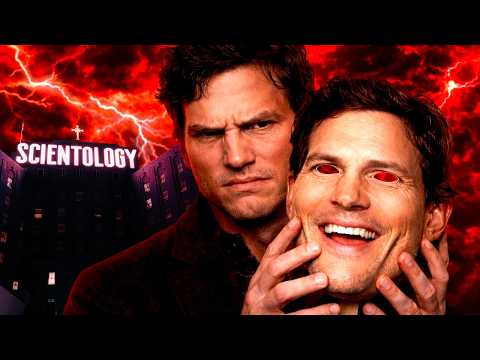
Ashton was photographed attending a Scientology Celebrity Center Christmas party in 2003 alongside Danny Masterson. While Ashton has never publicly admitted to being a Scientologist, his proximity to the church and its members has raised questions.
Ashton’s friendships with powerful and controversial figures such as Harvey Weinstein, Les Wexner, and Sean "Diddy" Combs have come under scrutiny. While no direct evidence links Ashton to criminal activities associated with these individuals, his proximity to them has fueled public speculation.
Kutcher transitioned into Silicon Valley as an early investor in companies like Uber, Airbnb, and Spotify. His timing was notably early, positioning him as a savvy tech insider.
He also co-founded Thorn, a nonprofit focused on combating child exploitation online using advanced technology like facial recognition. Thorn operates at the intersection of technology, law enforcement, and policy, raising questions about privacy, surveillance, and the ethical implications of such work.
In 2017, Ashton testified before Congress as a prominent advocate against child exploitation.
Danny Masterson, a former co-star and longtime friend, was convicted on two counts of rape and sentenced to 30 years to life in prison. Ashton and Mila Kunis wrote character letters supporting Masterson, describing him as a positive influence. This decision sparked widespread backlash due to the contradiction between Ashton’s activism and his personal choices.
The public response was overwhelmingly negative, leading Ashton to step down as chairman of Thorn. The incident marked a significant turning point in his public image and credibility.
Ashton's career has been built on likability, access, and reinvention. However, the accumulation of controversies, questionable associations, and public missteps has eroded public trust.
The backlash over the Masterson letters, combined with renewed scrutiny of his connections to figures like Diddy and Wexner, has led to a reevaluation of his persona. The internet has fueled speculation, including fringe theories, reflecting a broader pattern of skepticism toward celebrity narratives.
Ashton Kutcher's story is one of a multifaceted public figure whose rise to fame involved navigating complex social, corporate, and political networks. While he achieved success across various domains, his proximity to controversial individuals and incidents has complicated his legacy.
The breakdown of his carefully constructed image illustrates how public trust can erode over time, especially when personal actions conflict with public advocacy. Ashton’s journey underscores the challenges celebrities face in maintaining authenticity amid the pressures of fame and influence.
Disclaimer: This article presents information based on public records, reports, and commentary. Ashton Kutcher has not been criminally investigated or charged in relation to the controversies discussed. Everyone is presumed innocent until proven guilty.