Many retirees make costly mistakes in Roth conversions by either over-converting or under-converting their pre-tax funds, leading to significant tax implications. Understanding how these conversions affect taxable income is crucial for effective tax planning.
Roth conversions can be a powerful tool for retirees looking to manage their tax liabilities, but they come with significant risks if not executed properly. Many retirees either over-convert or under-convert their pre-tax funds, leading to costly mistakes that can impact their financial well-being.
When you convert pre-tax money from an IRA to a Roth IRA, the entire amount converted is added to your ordinary income for the year. This can have a dramatic effect on your tax situation, potentially pushing you into a higher tax bracket.
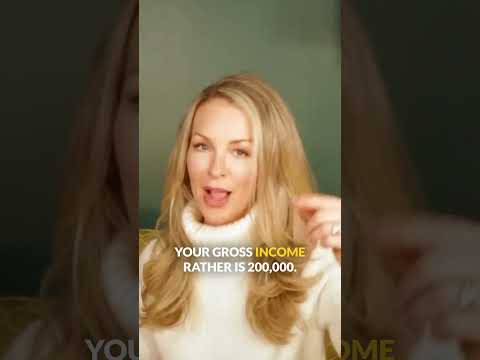
For example, consider a single retiree with a taxable income of $100,000. If this individual decides to convert $100,000 from their IRA to a Roth IRA, their taxable income would increase to $200,000. This is because the converted amount is considered income that has never been taxed before. As a result, the retiree's gross income would reflect this increase, moving them from the 22% tax bracket to the 32% tax bracket.
This example illustrates how a seemingly straightforward decision can lead to unexpected tax consequences. The increase in taxable income not only affects the tax rate but can also impact other financial aspects, such as eligibility for certain tax credits and deductions.
Roth conversion strategies can be complicated and intimidating for many individuals, especially those who are managing their finances without professional assistance. Even retirees who work with financial advisers may find that their advisers lack the necessary expertise in tax planning to navigate these conversions effectively.
Over-Converting: This occurs when retirees convert more funds than necessary, resulting in a higher tax bill than anticipated. It is crucial to assess your current income and future tax implications before deciding on the amount to convert.
Under-Converting: Conversely, under-converting can lead to missed opportunities for tax-free growth. Retirees should evaluate their long-term financial goals and consider how much they can convert without incurring excessive tax penalties.
Roth conversions can be an effective strategy for managing retirement funds, but they require careful planning and consideration of tax implications. Retirees must be aware of how these conversions affect their taxable income and overall financial situation. By avoiding common mistakes and seeking knowledgeable advice, retirees can make informed decisions that enhance their financial security in retirement.