New evidence has emerged regarding Thomas Matthew Krooks, the individual who attempted to assassinate President Trump. This blog post explores his transformation from a meek student to a would-be assassin, the investigation into his actions, and the surrounding conspiracy theories.
In a shocking turn of events, new evidence has surfaced regarding Thomas Matthew Krooks, the individual who attempted to assassinate President Trump. This blog post delves into Krooks's background, the investigation into his actions, and the conspiracy theories that have emerged in the aftermath.
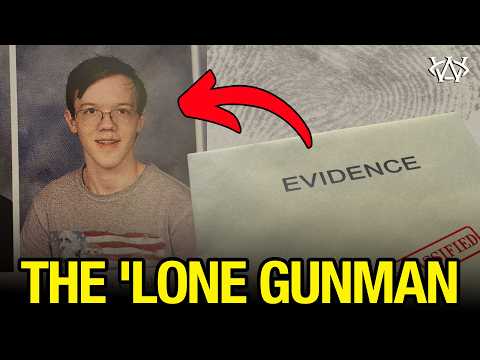
Krooks is described as the so-called lone gunman who climbed onto a roof and shot at the president, hitting him in the head and injuring others. The Secret Service agent in charge stated that they could not stand on sloped roofs and that no communications were recorded on that day. This raises questions about the circumstances surrounding the assassination attempt and whether it was a case of negligence or something more sinister.
In 2022, Krooks was a soft-spoken community college student who had shown signs of mental health issues. His transformation from a critical student of political polarization to a focused killer is alarming. The New York Times reports that Krooks had been stockpiling explosive materials and had been conducting extensive online research related to Trump and firearms.
Krooks was known for his intelligence, scoring 1530 on the SAT and achieving perfect marks in advanced placement exams. He was a member of the math club and had a keen interest in technology, building computers as part of a program at his community college. Despite his academic success, he struggled with social interactions and had a history of mental health issues within his family.
In the months leading up to the assassination attempt, Krooks's behavior changed significantly. He visited shooting ranges, grew out his hair, and searched online for information about major depressive disorder. His father noticed these changes and expressed concern about his son's mental health, stating that he had observed Krooks talking to himself and dancing around his bedroom late at night.
On July 13, Krooks left home with a rifle after telling his parents he was heading to the shooting range. Hours later, he attempted to kill President Trump, resulting in the death of a bystander and injuries to others. Investigators later found a crude homemade bomb in his bedroom, raising further questions about his intentions and mental state.
The FBI, in collaboration with the ATF, has led the investigation into Krooks's actions. Preliminary findings indicated that there was no evidence of mental health treatment or co-conspirators. However, conspiracy theories have emerged, suggesting that Krooks may have had accomplices or that the attack was allowed to happen intentionally.
In the absence of clear answers, various conspiracy theories have proliferated. Some speculate that Krooks had an accomplice or that government agencies were complicit in the attack. Neighbors have reported bizarre theories, including claims of underground tunnels aiding the shooter. These theories highlight the public's distrust in official narratives and the desire for transparency in the investigation.
Following the shooting, Krooks's family has maintained a low profile. His parents expressed disbelief over their son's actions and have not provided further comments to the media. The investigation continues, with many unanswered questions lingering in the community and among those affected by the tragedy.
The case of Thomas Matthew Krooks serves as a chilling reminder of the complexities surrounding mental health, political polarization, and violence. As new evidence emerges, the public remains eager for answers regarding the motivations behind the assassination attempt and the broader implications for society. The investigation is ongoing, and the truth may be more bizarre than anyone could have anticipated.