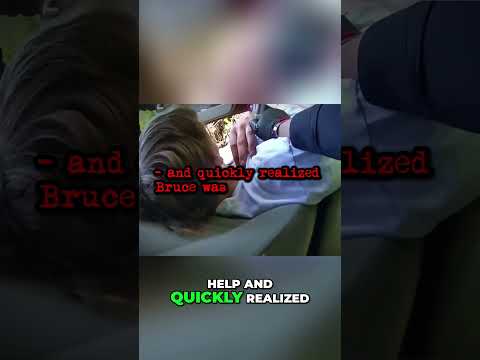
On April 1, 2024, police officers responded to a seizure incident involving Jack Bruce but treated it as a criminal matter despite being informed of his medical condition. Body cam footage highlights the concerning approach taken by the officers during the emergency.
On April 1, 2024, a troubling incident unfolded in Hercules, California, involving 21-year-old tradesman Jack Bruce. While driving home from visiting his grandmother, Bruce suffered a grand mal seizure, leading to a serious car accident. This event raises significant questions about police response protocols in medical emergencies.
Jack Bruce was driving along Refugeio Valley Road when he suddenly experienced a grand mal seizure. This medical crisis caused his vehicle to drift off the road, slide down an embankment, and collide with small trees. Fortunately, passing drivers noticed the accident and stopped to assist. They quickly realized that Bruce was unresponsive but still breathing.
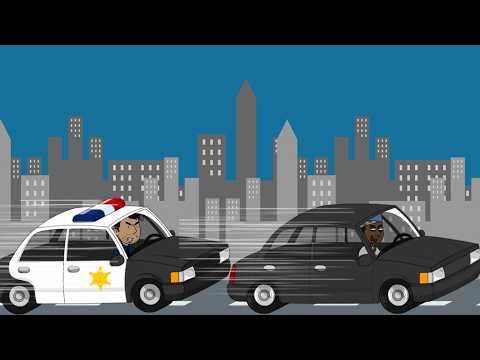
One of the witnesses promptly called 911, informing the dispatcher that the driver appeared to be suffering from a seizure. This crucial information was relayed to the responding officers from the Hercules Police Department: Angel Garcia, Michael Thompson, and Joshua Goldstein. However, despite being made aware of the medical emergency, the body cam footage revealed that the officers treated the situation as a potential criminal matter.
The body cam footage from the officers' response provides a stark contrast to the urgency and care typically expected in medical emergencies. Instead of prioritizing Bruce's health and well-being, the officers appeared to focus on investigating the incident as if it were a crime scene. This approach raises serious concerns about the training and protocols in place for law enforcement when dealing with medical emergencies.
This incident highlights a critical gap in police training regarding medical emergencies. When officers respond to situations involving potential medical crises, it is essential that they prioritize the health and safety of individuals over criminal investigations. The misunderstanding displayed by the officers in this case could have had dire consequences for Bruce's health.
The response to Jack Bruce's seizure serves as a reminder of the importance of proper training for law enforcement in recognizing and handling medical emergencies. As communities continue to advocate for better police practices, incidents like this underscore the need for a shift in focus from criminality to care in emergency situations. It is crucial for police departments to implement comprehensive training programs that equip officers with the skills necessary to respond appropriately to medical crises, ensuring that individuals receive the help they need in their most vulnerable moments.