In this humorous narrative, Boris is initially reluctant to help with household chores, preferring to watch TV and avoid responsibilities. He then dreams of an alternate family where everyone looks and acts like him, sharing his laziness and quirks. The dream highlights his desire for an ideal family that mirrors his own traits, ending with a return to reality and the inevitable chores.
Boris is a character who embodies a humorous and relatable struggle with household responsibilities and family dynamics. The story begins with a typical domestic scene where Boris is asked to help clean the house but prefers to watch television instead. This sets the stage for a comedic exploration of his character and his dream about an alternate family.
The narrative opens with Doris, presumably Boris's wife, urging him to get up and help clean the house. Boris, however, is engrossed in watching a show called "Love Island," where he is comparing the attractiveness of the contestants. Doris expresses her frustration, pointing out that Boris would rather watch pretty girls on TV than assist his own wife with housework.
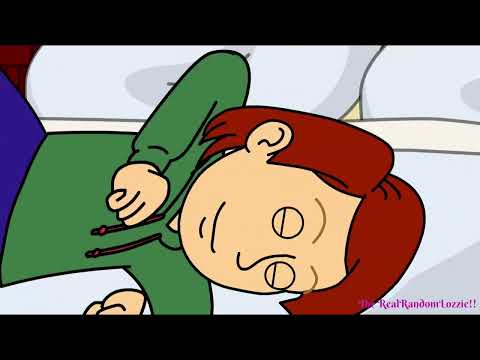
Their child, Kao, also tries to engage Boris in play, but Boris declines, leading to further disappointment from Doris. Boris's response to the mounting pressure is to walk away and take a nap, avoiding his responsibilities.
After his nap, Boris wakes up to find himself in a surreal situation. He encounters Borisa, a drag queen version of himself who claims to be his wife. This alternate family has been happily married for 15 years, and Boris is initially confused but intrigued.
In this dream world, Boris sees a mini version of himself made out of mashed potatoes, which adds to the surreal and comedic tone. He feels that this is the best day of his life because he has a family that looks like him.
Boris and his alternate family members share a common trait: a love for doing absolutely nothing. They all agree to sit around and relax, embodying the laziness that Boris himself exhibits in reality.
However, the dream also reveals some humorous conflicts, such as Boris Junior wearing eyeshadow and Borisa threatening to punish him for going through her makeup. These interactions add depth to the characters and highlight the quirks within this alternate family.
The story takes a comedic turn when multiple versions of Boris argue over who is the "true Boris." They decide to settle this dispute through a contest of competitive laziness, where the first one to move loses.
The challenge is interrupted by a sneeze, but ultimately, one Boris claims victory. The repeated chanting of "I am the true Boris" emphasizes the absurdity and humor of the situation.
The dream ends abruptly when Doris wakes Boris up. He expresses his disappointment at leaving the dream world where he had an ideal family that mirrored his own traits.
Back in reality, Doris reminds Boris of his responsibilities, specifically taking out the trash. Boris reluctantly accepts, highlighting the contrast between his dream and real life.
This narrative humorously explores themes of family, responsibility, and self-identity through the lens of Boris's dream. It reflects the common human desire for an ideal family that understands and shares one's quirks, while also acknowledging the realities and duties of everyday life.
The story uses comedy and surreal elements to engage the reader, making Boris's journey both entertaining and relatable.