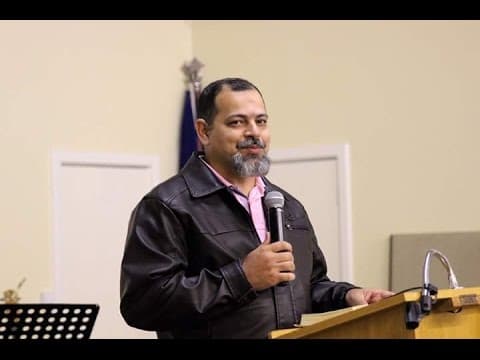
Bp. Rinaldo Joobi discusses the spiritual implications of debt, emphasizing the importance of obedience to God's word, the dangers of covetousness, and practical steps to achieve financial freedom through faith and discipline.
In the third part of his series on debt, Bp. Rinaldo Joobi delves into the spiritual dimensions of financial obligations. He emphasizes that true spiritual living is intertwined with obedience to God's word, particularly regarding financial matters. This blog post summarizes his insights on how to navigate the complexities of debt while maintaining a strong spiritual foundation.
Bp. Joobi begins by asserting that while prayer and worship are vital, they must be accompanied by obedience to God's commandments. He highlights that one of the fundamental commandments is to owe nothing to anyone. This principle is crucial for those who wish to walk in the Spirit.
He explains the internal struggle between the desires of the flesh and the Spirit, referencing Galatians 5:17, which states that the flesh desires what is contrary to the Spirit. This conflict often manifests in financial decisions, where the temptation to incur debt can lead to spiritual disobedience.
Bp. Joobi identifies the root cause of debt as covetousness, a desire for what others possess. He warns that this desire can lead individuals to make poor financial choices, such as taking on debt to maintain appearances or acquire possessions.
He emphasizes that the real sin of debt lies not in the amount owed but in the attitude that leads to it. The spiritual implications of debt can debilitate one's faith and lead to a cycle of shame and disobedience.
Bp. Joobi provides practical advice for those seeking to escape the bondage of debt. He outlines several steps:
Recognize that financial struggles often stem from deeper spiritual issues. Seek forgiveness and healing from God for any covetousness or disobedience.
Creating a written budget is essential. It helps individuals track their spending and identify areas where they can cut back to pay off debts.
Make a comprehensive list of all possessions. This inventory can help identify items that can be sold to alleviate debt.
List all debts and their respective interest rates. Understanding the total amount owed and the urgency of each debt can help prioritize payments.
Develop a systematic approach to paying off debts. This plan should include regular payments and a timeline for when debts will be cleared.
Bp. Joobi stresses that financial freedom is not just about eliminating debt but also about cultivating a generous spirit. He encourages individuals to give to God and others, as this reflects a heart aligned with God's will.
In conclusion, Bp. Rinaldo Joobi's teachings on debt highlight the importance of aligning financial practices with spiritual principles. By recognizing the spiritual roots of debt, establishing a budget, and prioritizing payments, individuals can work towards financial freedom while honoring God. The journey to financial health is not merely a practical endeavor but a spiritual one that requires faith, obedience, and a commitment to living within one's means.