Thousands of British and American families have moved to Russia under a traditional values scheme promising a better life, but many face high living costs, discrimination, and even forced military service. Russia's labor shortages and economic struggles underpin this migration, while Ukraine's strategic attacks on Russian oil shipments threaten to deepen Russia's financial crisis amid ongoing conflict.
Thousands of British and American families have recently relocated to Russia, lured by a government-backed traditional values scheme promising an escape from Western liberalism and a better life. However, many of these expats are encountering severe difficulties, including high living costs, discrimination, surveillance, and even forced military conscription.
Russia launched a "traditional values" visa scheme aimed at attracting Westerners disillusioned with liberal policies in their home countries. The program promotes an image of Russia as a bastion of family values and cultural heritage, featuring idyllic scenes of families dancing near Moscow and St. Petersburg, and the grandeur of the ballet.
Since the scheme's announcement, approximately 1,500 families have moved to Russia, including 172 Americans. The program appeals to those seeking refuge from what they perceive as degenerate Western societies, offering a chance to embrace Russia's conservative cultural ideals.
Despite the appealing marketing, many expats find life in Russia challenging. Rent in major cities consumes a significant portion of the average salary, and many landlords openly discriminate against foreigners, often advertising properties with "Russians only" clauses. Such practices, illegal in many countries, are widespread in Russia.
One British expat shared his experience of being detained and interrogated by the FSB (Federal Security Service), while his wife was also questioned. This level of surveillance and suspicion is common for foreigners, contributing to a stressful and hostile environment.
The Hoffmans, an American family who moved from the southern United States to Moscow, illustrate the dangers faced by expats. Mr. Hoffman accepted a contract as an engineer, expecting a standard nine-to-five job. Instead, after minimal training, he was sent directly to the front lines of the conflict in Ukraine.
His wife publicly expressed distress over his sudden deployment and lack of communication. This situation highlights the risks for foreigners who may be coerced into military service under misleading pretenses.
Russia is experiencing a severe labor shortage exacerbated by the ongoing war in Ukraine. The country has suffered over a million casualties among ethnic Russian soldiers, forcing the government to recruit foreigners, including North Koreans, Africans, and others, often under duress.
Many individuals who moved to Russia on student or work visas report being pressured into signing military contracts and sent to fight on the front lines, sometimes against their will. This practice reflects Russia's desperate need for manpower.
The influx of foreign workers and soldiers has caused social tensions, particularly due to widespread racism in Russian society. For example, Indian migrants have become prominent in the dating scene, which has unsettled many Russians.
Economically, Russia is facing a crisis. Recent reports indicate that 40% of Russians cannot afford essential goods like food before payday. Shops in major cities are closing due to lack of customers and high rents, signaling deep financial distress.
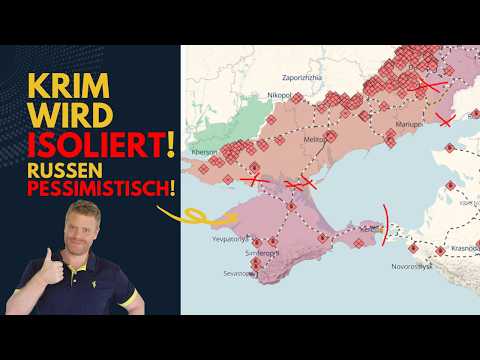
Ukraine has adopted a new strategy to weaken Russia's war effort by targeting oil tankers leaving Russian ports in the Black Sea. Oil revenues fund much of Russia's military operations, and attacks on these shipments threaten to disrupt this critical income.
If Ukraine's campaign continues, it could become increasingly difficult for ships to obtain insurance and for crews to operate in the Black Sea, potentially crippling Russia's oil exports. This would have devastating financial consequences for Russia, whose economy is smaller than Italy's.
The traditional values visa scheme has not delivered the promised better life for many British and American expats. Instead, they face discrimination, economic hardship, and even forced military service. Meanwhile, Russia grapples with labor shortages, social tensions, and a worsening economic crisis exacerbated by Ukraine's strategic attacks on its oil exports.
This situation underscores the broader challenges Russia faces amid its ongoing conflict and internal struggles. For those considering moving to Russia under similar schemes, these realities serve as a stark warning.
This report draws on firsthand accounts, Russian media, and recent developments in the Russia-Ukraine conflict to provide a comprehensive overview of the experiences of Western expats in Russia and the country's current socio-economic challenges.