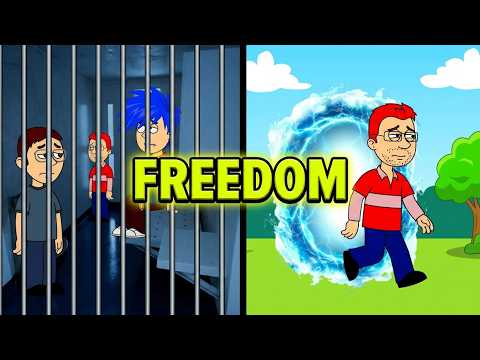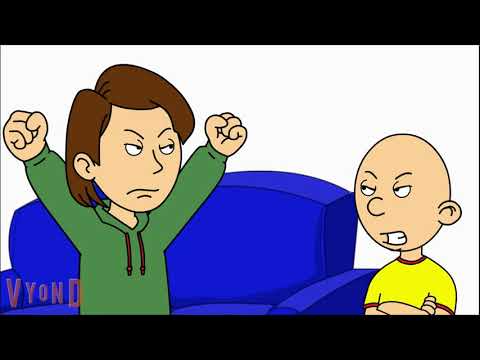
In this blog post, we explore the chaotic events of Caillou's punishment day, where he seeks revenge on his father for calling the cops on him after a bank robbery. The narrative unfolds with Caillou's misguided attempts at punishment, showcasing themes of rebellion, consequences, and the absurdity of his actions.
In a surprising turn of events, Caillou finds himself grappling with the consequences of his actions after being arrested for robbing a bank. This blog post delves into the chaotic narrative of Caillou's punishment day, where he decides to turn the tables on his father, whom he blames for his predicament.
The story begins with Caillou expressing disbelief over his arrest. He feels wronged by his parents for calling the police on him, leading to his incarceration. His frustration is palpable as he laments, "I hate my parents so freaking much." This sentiment sets the stage for his rebellious plan to enact a punishment day on his father.
Caillou's anger fuels a mischievous idea: to give his dad a punishment day in retaliation for the trouble he believes his father caused. He rationalizes his actions with a twisted sense of justice, thinking, "Why can't they get a punishment day too?" This thought process highlights the childish logic that drives his decision-making.
In a humorous twist, Caillou acknowledges the absurdity of his situation by breaking the fourth wall. He engages in a dialogue with the narrator, showcasing a self-awareness that adds a layer of comedy to the narrative. This playful interaction emphasizes the cartoonish nature of the story, making it entertaining for the audience.
Once Caillou escapes from jail, he confronts his father, accusing him of being the reason for his troubles. The punishments he devises are both outrageous and comical:
Drinking Toilet Water: Caillou insists his father drink toilet water, despite his father's protests about its unappealing appearance.
Listening to Loud Music: Next, Caillou subjects his dad to loud music, claiming it as a form of punishment. The irritation of the loud sounds adds to the chaos of the situation.
Being Put in the Oven: In a darkly humorous twist, Caillou threatens to put his father in the oven, showcasing the extreme nature of his imagined punishments.
Pushing Down the Stairs: The absurdity continues as Caillou contemplates pushing his father down a flight of stairs, further emphasizing the exaggerated nature of his revenge.
Throwing Out of the Window: Finally, Caillou concludes his list of punishments with the ultimate act of throwing his father out of the window, marking the peak of his rebellious antics.
After executing his plan, Caillou revels in what he perceives as victory over his father. He celebrates his actions with a sense of triumph, declaring, "I finally got revenge on my stupid dad." This moment encapsulates the childish glee that often accompanies acts of rebellion, even when they are misguided.
However, the narrative takes a turn as Caillou's father confronts him about the absurdity of his actions. He reminds Caillou that the punishment day was a consequence of his own behavior, emphasizing that actions have repercussions. This moment serves as a critical lesson about accountability and the importance of understanding the consequences of one's actions.
Caillou's punishment day serves as a humorous yet poignant exploration of rebellion, consequences, and the absurdity of childish logic. While Caillou's antics may entertain, they also highlight the importance of responsibility and the understanding that actions, no matter how whimsical, can lead to serious repercussions. In the end, the story leaves readers with a reminder that seeking revenge often leads to more trouble than it solves, a lesson that resonates beyond the cartoonish antics of Caillou.