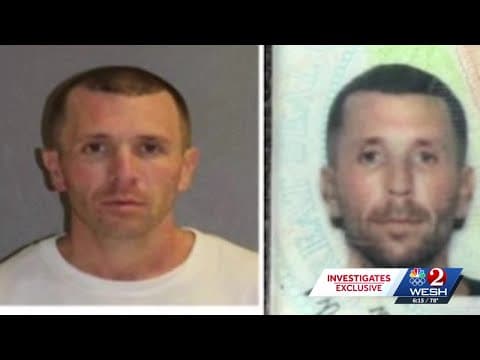
A Central Florida man, Bo Burgess, was wrongfully arrested after Orlando police used facial recognition technology to identify him as a suspect in fraud and theft crimes. Despite policy stating facial recognition results should only be investigative leads, police relied on a decade-old photo and a hotel employee's identification, leading to Burgess's arrest. The State Attorney dropped the charges, highlighting risks of misusing AI in law enforcement.
In a troubling case highlighting the risks of facial recognition technology in law enforcement, a Central Florida man named Bo Burgess was wrongfully arrested last year for crimes he did not commit. The Orlando Police Department (OPD) used artificial intelligence (AI) facial recognition to identify Burgess as a suspect, leading to his arrest on fraud and theft charges. This article explores the details of the case, the technology involved, and the broader implications for justice and AI use.
Bo Burgess was shocked when a Volusia Sheriff's deputy handcuffed him at Universal Orlando Resort hotels in June. He was arrested on two warrants related to fraud and theft crimes. However, Burgess was innocent, and his wrongful arrest stemmed from the Orlando Police Department's use of facial recognition technology.
Burgess filed citizen complaints against two officers involved in his arrest. An internal affairs investigation revealed that one officer had relied on the FACES database, a facial recognition system, to identify Burgess as the suspect.
The OPD report indicated that the officer ran a still image, apparently taken from a body-worn camera during a trespassing incident at Cabana Bay, through the FACES database. This database, operated by the Pinellas County Sheriff's Office, contains millions of driver’s license images and jail booking photos.
The suspect in the video was believed to have given a fake name and had accumulated over $4,400 in unpaid charges, leading to a trespass order from Universal Studios properties. However, the man in the video was clearly not Burgess. For example, the man wore shorts and had no tattoos on his legs, whereas Burgess’s legs are covered in tattoos.
Despite these discrepancies, the officer relied on a decade-old booking photo of Burgess that matched the body camera image. A hotel employee also identified Burgess from a lineup of six photos, further contributing to the wrongful arrest.
Dr. Michael King, a professor at the Florida Institute of Technology and a former federal intelligence community expert on facial recognition, explained that this technology is a form of artificial intelligence. While it is a vital investigative tool, it only produces leads and should not be used as definitive identification.
Dr. King referenced a landmark case involving the wrongful arrest of Robert Williams in Detroit in January 2020, which was the first widely publicized example of facial recognition leading to a mistaken arrest.
According to Orlando Police policy, facial recognition results should only be considered investigative leads and not probable cause for arrest. However, in Burgess’s case, the technology was misused as the sole basis for his arrest.
Burgess pointed out that police did not contact him before the arrest to verify his identity or allow him to show his tattoos or time cards proving his whereabouts. He was nearly 70 miles away from the hotels on the dates of the alleged offenses.
Despite these facts, the police proceeded with the arrest based on the facial recognition match and the hotel employee’s identification. The internal affairs investigation ultimately exonerated the officers of any policy violations.
Fortunately, the State Attorney’s Office dropped both criminal cases against Burgess.
This case is now the 11th known example nationwide of wrongful arrests caused by facial recognition technology misuse. It underscores the critical need for law enforcement agencies to understand the limitations of AI tools and to use them responsibly.
Facial recognition technology can be a powerful aid in investigations but must be supplemented with thorough human verification to prevent miscarriages of justice. The Burgess case serves as a cautionary tale about the potential consequences of overreliance on AI without proper safeguards.
This incident calls for stricter policies and training to ensure facial recognition technology is used ethically and accurately, protecting innocent individuals from wrongful arrests.