This article explores the different types of mountain bike helmets—modular, half-shell (open face), and full-face—based on the personal experience of an enduro rider. It covers helmet features, comfort, protection, and use cases to help riders choose the best helmet for their riding style and terrain.
Mountain biking demands not only skill and passion but also the right protective gear, especially helmets. With various helmet types available—modular, half-shell (open face), and full-face—it can be challenging to decide which one suits your riding style and terrain best. Drawing from personal experience as an enduro mountain biker, this guide delves into the pros, cons, and ideal use cases for each helmet type.
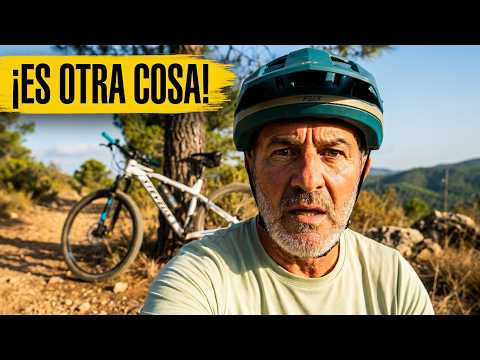
My name is Mike, a mid-40s mountain biker based in the beautiful region of Tuscany. I started biking about five years ago and have been progressively moving into the enduro MTB world. Over the years, I have used different helmets and learned when and why to use each type. This article shares my insights to help you make an informed decision when buying your next helmet.
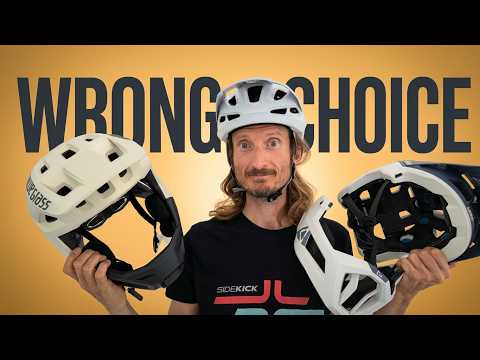
I began my mountain biking journey with a half-shell or open-face helmet. These helmets are lightweight and highly ventilated, making them perfect for easier, flowy trails or casual rides. For example, the Specialized Tactic 4 helmet is extremely comfortable and fits well for my head circumference of 59 cm (medium size).
This helmet is ideal for days when the risk of falling off the bike (OTB) is minimal, such as chill loops or casual rides with friends or family. It does not have camera mounts to preserve its clean look, but I usually mount my camera on a chest harness during these rides.
A modular helmet combines features of both half-shell and full-face helmets. It has a removable chin piece, allowing you to switch between open-face and full-face configurations. I initially chose a modular helmet to avoid owning two separate helmets.
The modular helmet I use is the Lead Enduro 4.0, which has served me well for a long time. It allows me to mount my camera on the chin piece during downhill sections and remove it when pedaling uphill. This versatility is especially useful in Tuscany, where trails consist of multiple laps with moderate elevation gains.
However, modular helmets tend to be heavier due to their construction and the mechanisms that allow the chin piece to be removed. This is a trade-off for the convenience of having one helmet that serves multiple purposes.
For more challenging and dangerous trails, I use a full-face helmet, specifically the Bluegrass Vanguard Core edition. This helmet offers maximum protection, making it suitable for downhill, bike park, or alpine terrain with long descents.
The Vanguard Core is lighter and more breathable than traditional full-face helmets, with more air vents and a comfortable fit (I wear a large size). It is not approved for racing in Italy but is perfect for bike packing or days when I expect rougher trails and less pedaling.
A helmet must fit your head shape and size well. I use an adjustable wheel at the back of the helmet to tighten it for a precise fit. Straps should also be adjustable, although some helmets like the Specialized Tactic 4 have fixed straps that may or may not fit your ears comfortably.
Look for helmets with advanced protection systems such as MIPS (Multi-directional Impact Protection System) or comparable technologies like the 360° system in the Lead helmet. These systems help protect your brain better in case of a crash.
Ventilation is crucial for comfort, especially on hot days or during intense rides. Full-face helmets generally have fewer vents than half-shell helmets, but newer models like the Vanguard Core offer improved airflow.
If you film your rides, consider where you can mount your camera. The modular helmet allows mounting on the chin piece or top visor, while the half-shell helmet may not have mounts to preserve aesthetics. I prefer using a chest mount for the half-shell helmet.
If you wear glasses or goggles, ensure the helmet accommodates them comfortably. The Specialized Tactic 4 has vents that securely hold glasses, while the Lead helmet has rubber fins to keep glasses in place. Full-face helmets are designed more for goggles than glasses, so choose accordingly.
Some helmets come with niceties like magnetic Fidlock closures or adjustable visors, which enhance convenience but are not mandatory.
Half-Shell Helmet: Best for easy, flowy trails, casual rides, or when minimal protection is sufficient. Its lightweight and ventilation make it comfortable for long rides.
Modular Helmet: Ideal for riders who want versatility in one helmet. It works well in mixed terrain with both uphill pedaling and downhill sections, offering the option to add or remove the chin guard.
Full-Face Helmet: Recommended for aggressive riding, downhill, bike parks, or alpine terrain with long descents. Provides maximum protection and is suitable for rough trails.
Choosing the right mountain bike helmet depends on your riding style, terrain, and personal preferences. While some riders may prefer a single helmet for all conditions, others, like myself, find value in having multiple helmets for different scenarios.
Ultimately, safety should be your priority, but comfort and convenience also play significant roles. Consider the features discussed here to find the helmet that best fits your needs and enhances your mountain biking experience.
If you have any questions or want to share your helmet experiences, feel free to join the conversation and contribute your insights.