CNN has been accused of acting as a conduit for Iranian state propaganda after gaining exclusive media access in Iran during the ongoing conflict involving the US and Israel. This has led to defensive responses from CNN hosts and attempts to rebrand shows as podcasts amid fears of job losses due to an impending network merger. The situation raises concerns about media credibility and the impact on public perception of the conflict.
CNN has become the first Western news network to operate inside Iran since the start of the conflict involving the US and Israel, with the Iranian government's permission. This exclusive access has sparked controversy and accusations that CNN is effectively serving as a mouthpiece for Iranian state propaganda.
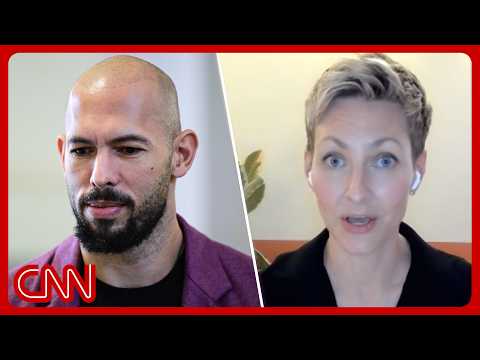
CNN correspondent Fred Pleen conducted an exclusive interview with a top Iranian official, the foreign policy adviser to the Supreme Leader's office, from Tehran. CNN operates in Iran under government permission, as required by local regulations, but claims to maintain full editorial control over its reporting.
However, critics argue that CNN's unique access to Iran, a country known for its lack of press freedom and hostility towards Western media, suggests a level of cooperation that compromises journalistic independence. The Iranian government has not granted similar access to any other Western news outlet, raising questions about the terms and implications of CNN's presence in the country.
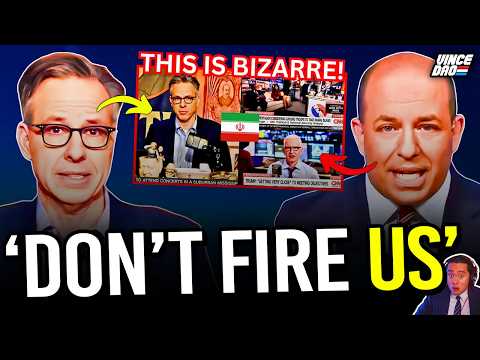
Many observers have accused CNN of running Iranian state propaganda, particularly in its coverage of the conflict. CNN hosts have responded defensively, denying these claims and asserting their commitment to honest journalism. Despite these denials, the network's coverage often coincides with overwhelmingly negative portrayals of the American war effort, which some interpret as attempts to undermine US military actions.
This situation has led to a bizarre dynamic where CNN hosts are simultaneously trying to save their jobs amid fears of firings due to an impending merger with a pro-MAGA billionaire's media company. Some hosts, like Jake Tapper, have experimented with converting their shows into podcasts, seemingly to appeal to younger audiences and boost ratings. Others, like Brian Stelter, have publicly denied allegations of spreading propaganda.
Former President Donald Trump has expressed frustration over the media coverage of the Iran conflict, particularly criticizing the spread of pro-Iran social media accounts posting fake AI-generated videos exaggerating Iranian military strength. While major news outlets like CNN and The New York Times have debunked these videos, Trump suggested that some real news outlets might have inadvertently propagated them, raising concerns about the chaotic information environment.
CNN maintains that it does not spread such hoaxes but critics argue that the network still disseminates misleading narratives that serve Iranian interests.
Reports from Tehran indicate that daily life continues with shops well-stocked and gas stations operating without long lines, suggesting no immediate panic despite the conflict. Iranian officials interviewed by CNN claim that the Iranian military remains capable and ready for a prolonged conflict, dismissing US assessments of Iranian military degradation as false narratives.
Critics draw parallels between CNN's current coverage and historical media behavior during conflicts like the Vietnam War. They argue that media outlets have a history of framing wars in ways that undermine US military efforts and demoralize the American public. For example, during the Vietnam War, media coverage famously portrayed the conflict as unwinnable despite evidence to the contrary.
Similar patterns are observed today, with CNN and other mainstream media outlets frequently publishing anonymously sourced stories that paint a bleak picture of US prospects in the Iran conflict. Some of these stories have been debunked, further fueling accusations of biased or misleading reporting.
CNN is set to merge with Paramount, with new ownership expected to bring significant changes. The incoming leadership is described as MAGA-friendly, causing anxiety among current CNN hosts about potential job losses.
In response, some hosts have taken unusual steps to reinvent their shows. Jake Tapper, for instance, has started broadcasting from his actual office desk, sharing personal anecdotes and displaying a collection of losing presidential campaign memorabilia as a quirky attempt to engage viewers.
Despite these efforts, skepticism remains about whether such tactics will improve ratings or secure jobs.
The situation surrounding CNN's coverage of the Iran conflict highlights complex issues about media access, editorial independence, and the role of journalism in wartime. Exclusive access granted by the Iranian government places CNN in a unique position that raises questions about potential propaganda. Concurrently, the network faces internal uncertainty due to an impending merger and shifting media landscapes.
This scenario underscores the importance of critically evaluating news sources, understanding the context behind media access, and recognizing the potential influence of political and corporate interests on news coverage. As the conflict continues and media dynamics evolve, public scrutiny of journalistic integrity remains crucial.
Readers are encouraged to consider these factors when consuming news about international conflicts and to remain vigilant about the sources and narratives presented to them.
What are your thoughts on CNN's coverage and the broader implications for media credibility? Share your views and stay informed as this story develops.