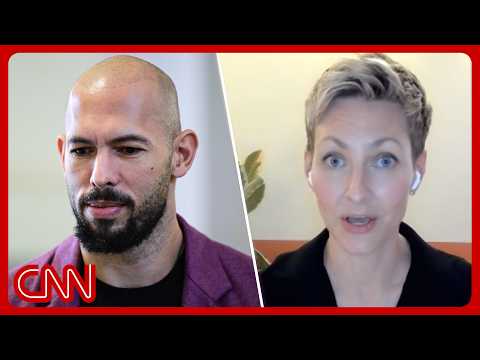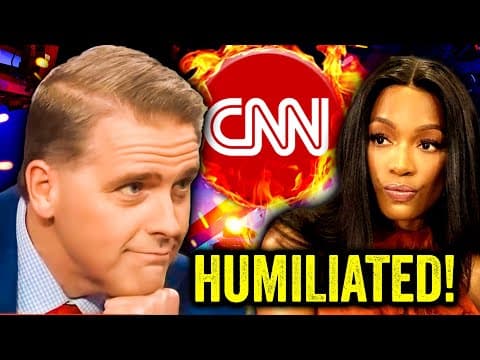
A recent CNN panel discussion showcased a significant blunder by a liberal commentator who was unaware of a major peace agreement brokered by President Trump between Rwanda and the Democratic Republic of Congo. This incident underscores the media's ideological bias and the importance of verifying information before making public statements.
In a recent segment on CNN, a foreign minister from Rwanda expressed his commitment to supporting ongoing negotiations, but what followed was a shocking display of ignorance from a liberal panelist. This incident not only embarrassed the commentator but also highlighted a troubling trend in media coverage regarding President Trump and significant global events.
During the discussion, the panelist made sweeping statements about President Trump, claiming he had not secured a peace deal between Rwanda and the Democratic Republic of Congo. Unbeknownst to her, just hours earlier, President Trump had hosted the leaders of both nations in the Oval Office, where they signed a landmark peace agreement aimed at ending a conflict that has persisted for over 30 years.
The panelist's failure to stay updated on current events was glaring, as she referenced outdated reports that suggested the peace treaty was still tenuous. This oversight led to a moment of humiliation on live television, showcasing the disconnect between the media narrative and actual events.
The peace agreement signed on June 27th is a historic achievement, aiming to resolve a conflict that has resulted in the deaths of approximately 6 million people and displaced another 7 million. The agreement includes critical provisions such as:
This deal not only addresses humanitarian concerns but also has significant economic implications for the United States. It opens access to Congo's vast reserves of critical minerals essential for technology manufacturing, including cobalt and coltan, which are vital for advancements in AI and quantum computing.
The incident serves as a perfect illustration of what social scientists refer to as gatekeeping theory. This theory describes how media professionals filter information for public consumption, often framing narratives in a way that aligns with their ideological biases. In this case, the CNN panelist's comments reflect a broader trend where the media often portrays President Trump negatively, regardless of factual developments.
Scott Jennings, a commentator on the panel, pointed out the absurdity of the situation, emphasizing that the panelist's ignorance was not merely a mistake but part of a larger media project aimed at undermining Trump. This highlights a systematic breakdown in journalistic standards, where the pursuit of narratives takes precedence over factual reporting.
The CNN panelist's failure to acknowledge a significant diplomatic achievement while crafting attacks on the Trump administration underscores the current state of legacy media. It raises questions about the reliability of information presented by mainstream outlets and the importance of verifying facts before making public statements.
In today's digital age, the democratization of information allows audiences to bypass traditional media gatekeepers. As Elon Musk noted, we now have access to the same information that media professionals do, enabling us to fact-check and hold them accountable.
The peace deal between Rwanda and the Democratic Republic of Congo represents hope for millions affected by decades of conflict. The fact that a CNN commentator could overlook this historic achievement while focusing on partisan attacks reveals much about the current state of journalism. As consumers of news, it is crucial to remain vigilant and verify information, especially in an era where ideological bias can cloud the truth.