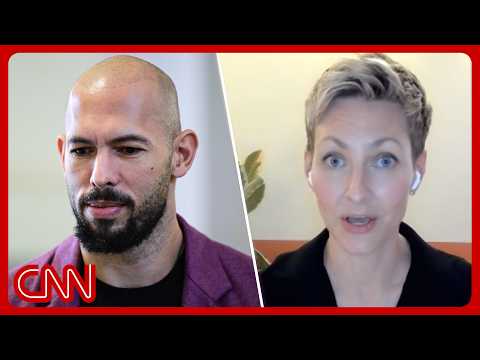
CNN was granted exclusive access by the Iranian government to report from within Iran amid ongoing conflict. Their coverage, criticized as state propaganda, showed contrasting scenes from rural areas and Tehran, raising questions about media impartiality and the challenges of reporting under government restrictions. This situation underscores the complexities of war reporting and the need for critical media consumption.
Recently, CNN was granted exclusive media access by the Iranian government to report from within Iran during a period of military confrontation. This unprecedented access to a country with strict press controls has sparked significant controversy and backlash, with many accusing CNN of inadvertently participating in state propaganda.
CNN's initial reports from a remote rural area in Iran painted a picture of normalcy. Shops were open and well-stocked with fresh fruits, vegetables, and coffee. Gas stations had no long lines, and there was no visible panic among the people. The CNN reporter suggested that life was continuing as usual despite the ongoing conflict.
However, this portrayal was met with widespread ridicule and skepticism. Critics pointed out that the Iranian government likely orchestrated this tour to show only the areas they wanted the world to see, similar to state-controlled tours in countries like North Korea. It was argued that it was naive to assume the entire country was unaffected by the war based on observations from a small, remote region.
Upon reaching Tehran, CNN's coverage shifted dramatically. Many shops were closed, and those open reported a drastic decline in customers. Shopkeepers and customers expressed fear for their lives due to ongoing air strikes and military confrontations. Sales had dropped significantly, and the atmosphere was tense and uncertain.
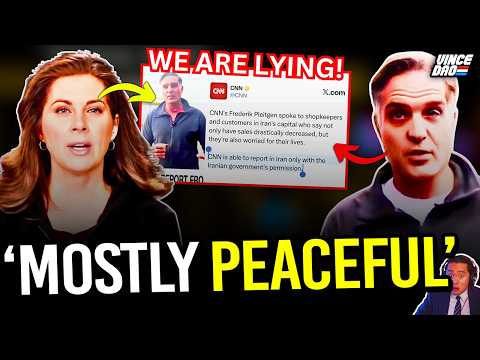
CNN's senior international correspondent, Fred Pleitkin, reported from the streets of Tehran, highlighting the fear and disruption caused by the conflict. He noted that only about 20% of shops were open since the military confrontation began a week prior. Interviews with locals revealed widespread anxiety and the harsh realities of living in a war zone.
CNN openly acknowledged that their reporting in Iran was conducted with government permission, effectively admitting that their coverage was subject to state control and censorship. This admission raised serious questions about the network's ability to report impartially and objectively from within Iran.
The Iranian government’s decision to grant exclusive access to CNN, and no other Western media outlets, suggested a strategic choice. It appeared they believed CNN would present a narrative favorable to the regime, using the network as a tool to disseminate propaganda to Western audiences.
CNN's reporting was limited to what the Iranian government allowed. The network was unable to ask critical political questions or explore the broader implications of the conflict. Instead, the coverage focused heavily on the civilian angle, emphasizing the fear and hardship experienced by ordinary Iranians.
While the human cost of war is undeniable and important to report, critics argue that CNN's coverage was shallow and failed to provide a comprehensive understanding of the conflict. The network's role appeared more aligned with amplifying the Iranian government's messaging rather than delivering independent journalism.
This situation with CNN highlights the broader challenges faced by mainstream media in reporting on the Iran conflict. Many reports rely on unnamed sources and official statements, which can be difficult to verify independently.
The admission by a major news outlet like CNN that it is operating under government restrictions should prompt viewers to approach all related coverage with a degree of skepticism. It underscores the importance of critical media consumption and the recognition that all sides in a conflict may engage in propaganda.
CNN's exclusive access to Iran during a time of conflict has exposed the complexities and ethical dilemmas of war reporting under authoritarian regimes. While some coverage is better than none, the network's role as a conduit for Iranian state propaganda raises concerns about journalistic integrity and the accuracy of information being presented to the public.
As consumers of news, it is crucial to remain discerning and critically evaluate the sources and narratives presented, especially in situations where media access is tightly controlled by governments with vested interests.
The CNN Iran reporting saga serves as a reminder of the difficulties journalists face in conflict zones and the potential for media to be used as a tool for political agendas. It also calls for greater transparency and diversity in media coverage to ensure a more balanced and truthful portrayal of global events.
Readers are encouraged to consider these factors when interpreting news about the Iran conflict and to seek multiple perspectives to gain a fuller understanding of the situation.